Vietnamese coriander — known as rau ram in Vietnamese kitchens and daun kesum across Malaysia and Indonesia — is the most practical cilantro substitute a home gardener can grow. It handles summer heat that sends ordinary cilantro straight to seed, delivers a genuinely comparable (and often richer) flavour, and roots from cuttings with remarkable ease. If bolting cilantro has frustrated you, rau ram is the solution.
Some of the links in this article may be affiliate links. If you make a purchase through these links, we may earn a small commission at no extra cost to you. Thank you.
- Vietnamese coriander (Persicaria odorata) belongs to the Polygonaceae family — botanically unrelated to true cilantro, despite the strikingly similar flavour profile
- An estimated 10–15% of people carry a genetic variant (OR6A2) that causes cilantro to taste soapy; Vietnamese coriander’s different flavour chemistry does not trigger the same response in most cases
- Rau ram is rich in vitamins A and C, iron, and antioxidant flavonoids — offering real nutritional value alongside its culinary appeal
- Unlike cilantro, which bolts within four to six weeks once temperatures exceed 25 °C, Vietnamese coriander continues producing harvestable leaves throughout the hottest months of the year
What Is Vietnamese Coriander and Why Is It Trending in 2026?
Vietnamese coriander (Persicaria odorata) is a tropical perennial herb native to Southeast Asia. It has been a cornerstone of Vietnamese, Malaysian, and Indonesian kitchens for several centuries. Despite sharing a name with cilantro, it has no botanical relationship with Coriandrum sativum. It sits in the Polygonaceae family alongside buckwheat, rhubarb, and sorrel — an entirely different branch of the plant kingdom.
The plant is easy to identify. Its narrow, lance-shaped leaves carry a distinctive dark chevron or brownish blotch near the centre — a reliable field mark that sets it apart from every other culinary herb. The stems are low-growing and trail readily, rooting wherever they make contact with consistently moist soil. A single plant can spread to cover a 60 cm area within one season when given the right conditions.
In 2026, interest in heat-tolerant and heritage culinary herbs is growing sharply among UK and North American home gardeners. Increasingly unpredictable summers have exposed the limitations of cilantro — a cool-season annual that bolts quickly and becomes largely unusable from midsummer onwards. Vietnamese coriander doesn’t suffer the same fate. It thrives precisely when cilantro struggles most. That single characteristic has driven a notable increase in searches and plant sales for rau ram over the past two growing seasons.
Culinary historians note that Vietnamese coriander has been used in dishes like phở gà (chicken pho) and gỏi cuốn (fresh spring rolls) for hundreds of years before gaining any foothold in Western kitchens. Its current moment reflects a broader shift toward cultural and botanical diversity in home food growing — a trend that shows no sign of slowing.

How Does Vietnamese Coriander Taste Compared to Cilantro?
The flavour of Vietnamese coriander is best described as cilantro-forward, with a cool mint undertone and a clean, bright lemon edge. It carries a mild peppery finish that intensifies in older leaves and in warm weather. This layered complexity makes it arguably more interesting than cilantro as a standalone herb — and more adaptable across a wider range of cuisines.
For the estimated 10–15% of the population who carry the OR6A2 genetic variant, cilantro’s aldehyde compounds produce a distinctly soapy, unpleasant taste. Vietnamese coriander has a markedly different flavour chemistry. Vietnamese coriander’s different flavour chemistry means it is unlikely to trigger the same reaction in people who carry this variant — making it worth trying for anyone who finds cilantro unpalatable on genetic grounds.
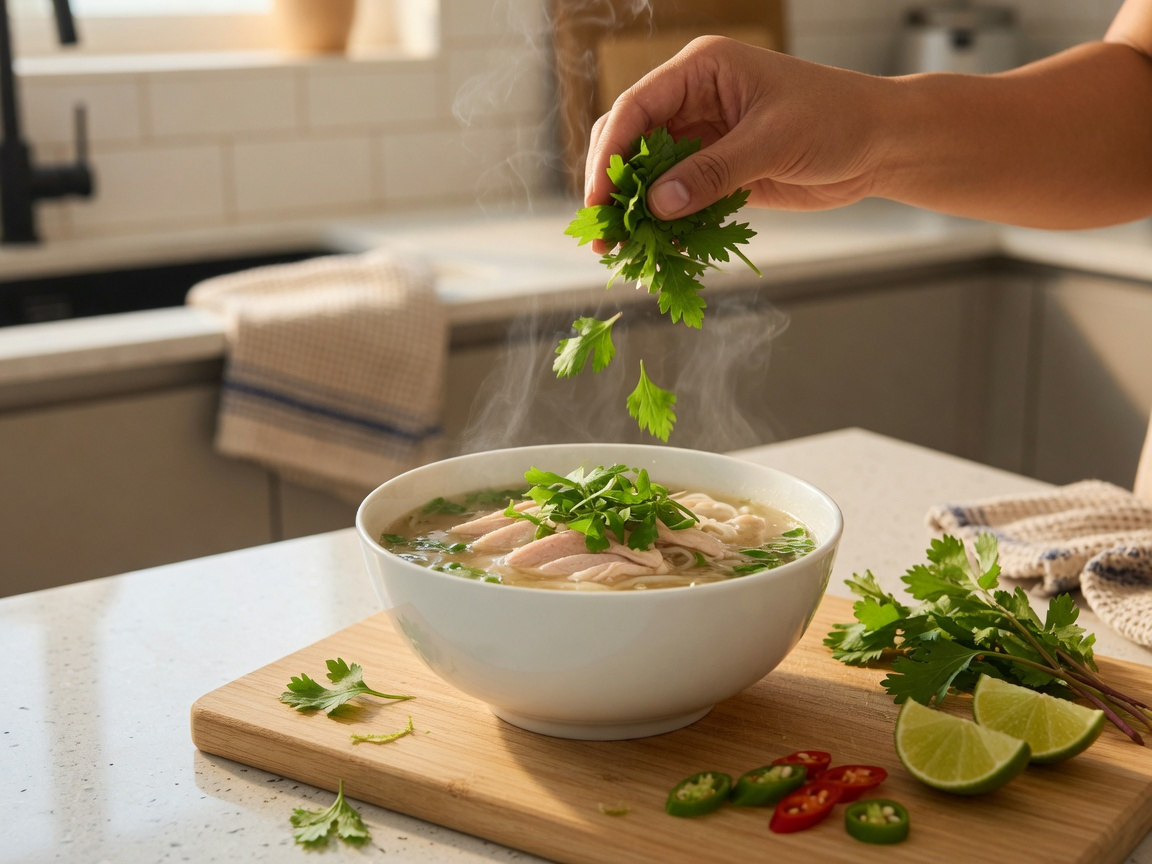
Heat has an important effect on rau ram’s flavour. The mint and lemon notes volatilise quickly when cooked, leaving behind a greener, more subdued herbaceous taste. For hot dishes — soups, curries, stir-fries — the convention across Southeast Asian cuisine is to add the leaves raw at the very last moment, or to float them on top of a finished bowl. This approach preserves the full aromatic quality of the leaf and is the technique used in traditional Malaysian laksa.
What Are the Best Growing Conditions for Vietnamese Coriander?
Vietnamese coriander is a tropical perennial that performs best in warm, consistently moist conditions. In USDA hardiness zones 9–11, it lives outdoors year-round as a true perennial. In cooler climates — including most of the UK and northern United States — it is grown as a tender perennial or half-hardy annual, brought indoors before the first autumn frost.
Soil: Moist, well-drained, and slightly acidic to neutral — a pH of 6.0 to 7.0 suits it well. Rich loam or a quality multipurpose compost blend both work effectively. Vietnamese coriander has a higher moisture requirement than most culinary herbs, so the soil’s water-retention capacity matters more than its exact composition. Adding approximately 10–15% perlite to the compost mix in containers helps balance moisture retention with drainage.
Light: Partial shade to full sun. In climates where summer temperatures regularly exceed 30 °C, some afternoon shade prevents leaf scorch and keeps the flavour profile slightly milder and less peppery. In cooler temperate climates like most of the UK, a south- or west-facing position in full sun produces the best results.
Temperature: Optimal growth occurs between 20 °C and 30 °C. Growth stalls below 10 °C, the plant wilts noticeably below 5 °C, and a hard frost kills it to the ground. Applying an organic mulch layer around the base helps retain soil moisture — a useful buffer for busy gardeners. If you’re choosing between mulch options for your herb beds, our guide to the range of mulch types available to improve your garden is worth reading before you decide.
How Do You Propagate Vietnamese Coriander Successfully?
Propagating Vietnamese coriander from cuttings is one of the most straightforward tasks in herb gardening. The plant roots so readily that very high success rates are achievable even for first-time growers. Growing from seed is possible but considerably less reliable — seed availability is patchy in the UK and US, germination rates are variable, and cuttings are simply faster and more dependable in every respect.
The step-by-step process takes only minutes to set up:
- Take a stem cutting of 10–15 cm from a healthy parent plant, snipping just below a leaf node.
- Strip the lower leaves, leaving two or three at the tip. This exposes the node and prevents leaf material from rotting in the water.
- Root in water. Stand the cutting in a glass of water on a bright windowsill. Roots typically appear within 7–10 days.
- Pot up once roots reach 2–3 cm. Transfer to a 15–20 cm pot filled with moist, well-draining potting compost.
- Harden off before planting outdoors. Introduce the young plant to outdoor conditions gradually over 7–10 days — an hour outside on day one, building to full outdoor exposure by the end of the week.
One highly practical habit: keep two or three cuttings rooting in water at any time. This builds your plant stock continuously and makes it easy to share with friends — which is one of the best ways to spread awareness of rau ram. If you’re thinking about where to fit new herb plants into your wider growing scheme, working through a structured vegetable and herb garden layout plan beforehand saves considerable time and effort later in the season.
How Do You Care for, Harvest, and Store Vietnamese Coriander?
Once established, Vietnamese coriander is a forgiving and generous herb. The three main tasks are consistent moisture, flower prevention, and regular harvesting — all of which reinforce each other in a productive growing loop.
Watering: Keep the soil moist but not waterlogged. Container-grown plants may need daily watering during warm weather. A saucer under the pot helps retain moisture — but drain it after an hour to prevent root saturation.
Feeding: Apply a balanced liquid fertiliser every two to three weeks during the growing season. A slightly higher nitrogen formulation encourages leafy growth rather than diverting energy into flowering. Well-fed plants tend to produce a more fragrant, flavourful harvest. Pairing this feeding regime with attention to soil biology — specifically choosing the right compost type for your herb beds — supports sustained, high-quality leaf growth across the full season.
Pinching: When flower buds appear, remove them promptly. Flowering diverts the plant’s energy away from leaf production and subtly shifts the flavour profile toward a more purely peppery taste. Pinching is the same technique used to keep basil productive through summer, and the results are equally effective here.
Harvesting: Begin harvesting once the plant is well established — typically six to eight weeks after rooting from a cutting. Snip from the outer stems, leaving the central growing tips intact. Morning is the optimal harvesting time. Essential oil concentrations in aromatic herbs are measurably highest in the early part of the day, before heat volatilises them. Never remove more than one-third of the total leaf mass at any single harvest.
Storage options after harvest:
- Wrap freshly cut stems in a damp paper towel and refrigerate in a sealed bag for up to five days.
- Stand cut stems in a glass of water in a cool spot for two to three days.
- Freeze whole leaves flat on a tray, then transfer to a freezer bag — frozen leaves retain usable flavour in cooked dishes for up to three months.
- Avoid drying: Vietnamese coriander loses the majority of its characteristic aroma in the drying process and is not worth preserving this way.
How Do You Use Vietnamese Coriander as a Cilantro Substitute in the Kitchen?
The direct substitution works well in almost every recipe that calls for fresh cilantro. A 1:1 ratio is a good starting point — then adjust to taste, since rau ram’s flavour is slightly more complex and some cooks prefer a touch less. Its firmer leaf texture means it holds up better than cilantro in dressed salads and doesn’t wilt as quickly when added to warm dishes.
Best culinary applications in 2026:
- Fresh salads and slaws: Torn leaves add fragrance and layered herbaceous depth without overpowering other ingredients.
- Soups and broths: Add a generous handful to pho, chicken soup, or laksa just before serving. Never cook rau ram directly into a simmering broth — add it at the very end.
- Salsas and guacamole: The mint and lemon notes in Vietnamese coriander complement tomato and lime particularly well. If you enjoy building a dedicated culinary herb kitchen garden, our guide to what to plant in a salsa garden pairs perfectly with growing rau ram.
- Curries and stir-fries: Scatter raw leaves over the finished dish as a garnish rather than cooking them in directly.
- Spring rolls and lettuce wraps: Use whole leaves as a filling component, exactly as Vietnamese cuisine has always used them.
- Marinades and dressings: Blitz a small handful into a dressing with lime juice, fish sauce, and ginger for a vibrant, Southeast Asian-inspired sauce.
What Are the Health Benefits of Vietnamese Coriander?
Vietnamese coriander has a well-documented history in traditional medicine across Southeast Asia, where it has been used for centuries to address digestive complaints, fevers, and skin conditions. Modern nutritional analysis supports many of these traditional applications and reveals a genuinely compelling micronutrient profile.
Key nutritional highlights:
- Vitamin A: Supports immune function, skin integrity, and eye health.
- Vitamin C: A powerful antioxidant that bolsters immune defences and supports collagen synthesis.
- Iron: Important for red blood cell production and sustained energy metabolism.
- Flavonoids and polyphenols: A broad spectrum of antioxidant compounds that help neutralise free radicals and protect cellular health.
For everyday culinary use, the practical message is straightforward. Adding Vietnamese coriander to meals is a simple, low-effort way to increase your daily intake of protective micronutrients — without supplements, dietary overhauls, or any significant change in cooking habits.
How Does Vietnamese Coriander Compare to Other Cilantro Substitutes?
Several herbs are commonly suggested as cilantro replacements. Each brings different strengths and different growing profiles. Vietnamese coriander consistently sits near the top of the list when flavour fidelity and ease of cultivation are considered together.
| Herb | Flavour similarity to cilantro | Growing difficulty | Heat tolerance | Best use |
|---|---|---|---|---|
| Vietnamese coriander | High | Very easy (cuttings) | Excellent | Raw garnish, soups, salsas |
| Culantro (Eryngium foetidum) | Very high | Moderate | Good | Cooked dishes, Caribbean cuisine |
| Thai basil | Moderate | Easy | Good | Southeast Asian stir-fries, curries |
| Flat-leaf parsley | Low–moderate | Easy | Moderate | European dishes, general garnishing |
| Mint | Low | Very easy | Moderate | Drinks, desserts, Middle Eastern dishes |
Vietnamese coriander’s strongest competitor for the cilantro substitute role is culantro — also called sawtooth herb or long coriander. Culantro’s flavour is more intensely cilantro-like, and it tolerates heat even more effectively than rau ram. However, it is harder to source as a plant or seed in the UK and US, and its tough, serrated leaf texture makes it less pleasant eaten raw. For most home gardeners, Vietnamese coriander offers the best overall combination of flavour accuracy, growing accessibility, and culinary flexibility across the widest range of dishes.
What Are the Most Common Growing Problems and How Do You Fix Them?
Vietnamese coriander is generally robust and relatively pest-resistant compared to many culinary herbs. A handful of problems are worth knowing about before you start growing.
Root rot: The most common issue, and almost always caused by overwatering or poor drainage. If lower stems turn black or mushy, remove affected sections, allow the compost to dry partially, and improve drainage before resuming normal watering. Adding 15–20% perlite to the compost mix in containers is an effective preventive measure.
Aphids: Small clusters of aphids occasionally appear on new growth. A strong jet of water dislodges them effectively in most cases. Persistent infestations respond well to a diluted insecticidal soap spray. Avoid systemic chemical pesticides on any herb grown for eating.
Frost damage: Any temperature below 5 °C causes wilting and browning. Move container plants indoors at the first sign of cold weather in autumn. Outdoor plants in USDA zone 8 equivalent climates (mild parts of the UK, such as Cornwall or coastal Wales) can sometimes be cut back and heavily mulched for an overwintering attempt, though this is not reliable in most UK locations.
Leggy, pale growth: Insufficient light causes stretching and smaller, less flavourful leaves. Move the plant to a brighter position or supplement with a dedicated grow light when growing indoors through winter months.
Flower production: Unlike cilantro, Vietnamese coriander doesn’t bolt in the traditional sense. It does produce flowers under stress or in very long days. Pinch buds off promptly to redirect energy back into leaf production. This is one of the two or three most important regular care tasks for any rau ram plant.
What Do Experienced Herb Growers Say About Vietnamese Coriander?
The word-of-mouth reputation of Vietnamese coriander among kitchen gardeners in 2026 is genuinely enthusiastic. Growers who discover rau ram tend to stick with it — and to share cuttings freely.
Vietnamese coriander doesn’t just replace cilantro, it outlasts it. One well-managed plant started from a cutting in spring will typically produce harvestable leaves from late spring right through to the first frosts of autumn — a growing season spanning five to six months in most UK locations.
What Does the Future Hold for Vietnamese Coriander in Home Gardening?
The trajectory for Vietnamese coriander in Western home gardening is clearly upward in 2026, and every indicator suggests that momentum will continue through 2027 and beyond. Several converging trends are driving this shift.
- Climate adaptation: As UK and northern European summers become hotter and less predictable, heat-tolerant herbs that don’t bolt in July are increasingly valuable. Vietnamese coriander is ideally positioned to benefit from this trend.
- Culinary exposure: The continued growth of Southeast Asian cuisine in Western restaurants, combined with streaming cooking content, is introducing rau ram to audiences who then want to grow it at home.
- Improved plant availability: As of 2026, Vietnamese coriander is increasingly stocked by mainstream UK garden centres and online herb nurseries — a significant shift from five years ago, when it was largely a specialist find.
- Herb diversity: Home gardeners are actively moving beyond the standard triad of rosemary, thyme, and mint. Demand for lesser-known herbs with documented culinary and health credentials is growing steadily each season.
As cultural familiarity with Southeast Asian cooking traditions deepens across a broader demographic, demand for Vietnamese coriander looks set to grow further. For forward-thinking home growers, 2026 is an excellent year to get ahead of that curve. If you’re also thinking about keeping your herb garden productive through the cooler months, our guide to what to plant in a fall garden covers a range of options that complement a year-round herb growing plan.
Frequently Asked Questions About Vietnamese Coriander
Is Vietnamese coriander the same as cilantro?
No. Vietnamese coriander (Persicaria odorata) and cilantro (Coriandrum sativum) are botanically unrelated. Cilantro belongs to the Apiaceae family; Vietnamese coriander is a member of Polygonaceae, alongside buckwheat and rhubarb. They share a broadly similar flavour profile — which is why rau ram makes such an effective culinary substitute — but the plants themselves are entirely different species.
Can Vietnamese coriander grow in the UK?
Yes, very successfully — with some planning. It grows as a half-hardy annual or tender perennial in UK conditions. Plant it out after the last frost (typically May in most of England), keep it consistently well-watered, and bring it indoors before temperatures drop below 5 °C in autumn. Many UK growers maintain plants year-round on a sunny south-facing windowsill or in a conservatory.
Does Vietnamese coriander bolt like regular cilantro?
No — and this is its single biggest practical advantage over cilantro. Cilantro bolts, or goes to seed, within four to six weeks once temperatures exceed 25 °C. Vietnamese coriander continues producing fresh leaves throughout the hottest months of the year. It may produce flowers under stress or in very long days, but pinching those buds off promptly keeps the plant in full leaf production mode.
Can I grow Vietnamese coriander indoors?
Yes. It performs very well in a pot on a south-facing windowsill or under a grow light. A 20–25 cm pot is sufficient for most household needs. Keep the soil consistently moist, feed fortnightly during the growing season, and pinch any flower buds when they appear. An indoor plant also stays safe from frost, meaning you can grow rau ram as a continuous year-round crop with no seasonal gaps.
What is the best way to store fresh Vietnamese coriander after harvesting?
The three most effective options are: wrapped in a damp paper towel inside a sealed bag in the fridge (up to five days); stood in a glass of water in a cool spot (two to three days); or frozen flat on a tray and transferred to a freezer bag (up to three months, best for cooked dishes). Drying is not recommended — Vietnamese coriander loses the majority of its distinctive aroma in the drying process.
Is Vietnamese coriander safe to eat in large quantities?
As a seasoning herb used in normal culinary quantities, Vietnamese coriander is safe and nutritionally beneficial. Traditional use of very large quantities as a medicinal herb in Southeast Asian folk medicine has historically been associated with certain physiological effects. At the scale used in cooking — a handful of leaves scattered through a finished dish — this is not a practical concern for healthy adults.
Where can I buy Vietnamese coriander plants in the UK in 2026?
As of 2026, Vietnamese coriander plants are increasingly available from specialist herb nurseries, reputable online retailers, and a growing number of mainstream garden centres. Seeds are available from several online suppliers, though germination rates are variable. The most reliable and cost-effective approach remains sourcing a single healthy plant and propagating your own stock from cuttings — one parent plant can produce dozens of new specimens across a single season.
Your Vietnamese Coriander Growing Plan: Next Steps
Vietnamese coriander is one of the most rewarding additions any home cook or gardener can make in 2026. It solves the bolting problem that makes summer cilantro growing so frustrating. It delivers a richer, more layered flavour. And it propagates with such generosity that a single plant quickly becomes many — with cuttings to spare for friends.
Here is a practical sequence to get you started this season:
- Weeks 1–2 — Source a parent plant: Order from a specialist herb nursery online or check local garden centres. One healthy plant is all you need.
- Weeks 2–4 — Take your first cuttings: Once the parent plant is established, take three or four stem cuttings and root them in water. This builds your stock rapidly.
- May (UK) — Plant out after the last frost: Harden off container plants over 7–10 days before moving them outdoors permanently.
- Week 6 onwards — Begin harvesting: Snip from outer stems in the morning for best flavour. Harvest regularly to encourage continuous new growth throughout the season.
- October–November — Bring indoors before first frost: A sunny windowsill or conservatory keeps the plant alive and productive through winter.
- Spring — Overwinter plants and repeat: By the following April, you’ll have multiple established plants and a full propagation bank ready for the new growing season.
Once you’ve added a handful of home-grown rau ram to a bowl of pho — or stirred it through a fresh summer salsa — you’ll wonder why it took so long to find this herb. Give it one season and it will almost certainly earn a permanent place in your kitchen garden.