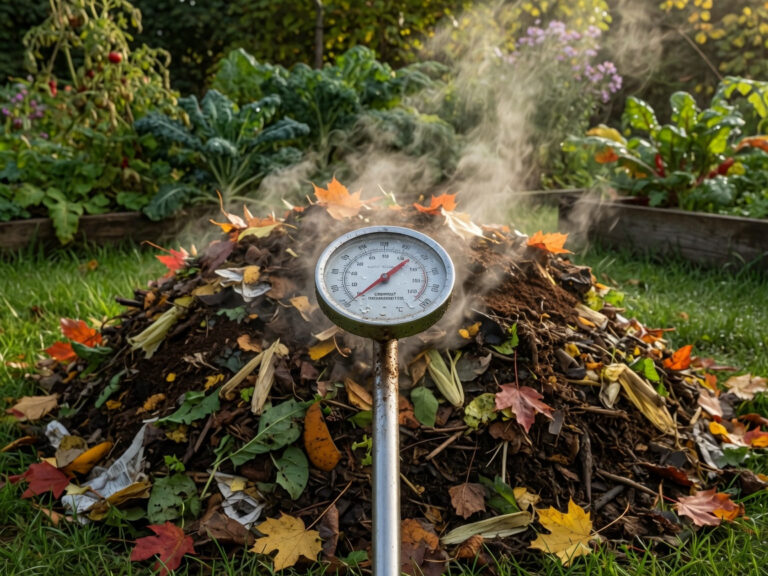
Gardening is a fulfilling and rewarding activity that can provide you with a bountiful harvest, a beautiful outdoor space, and a sense of accomplishment.
Some of the links in this article may be affiliate links. If you make a purchase through these links, we may earn a small commission at no extra cost to you. Thank you.
However, in order to achieve this, your garden needs to be cared for and maintained properly, and one crucial task in doing so is mulching.
Mulching is an essential and beneficial agricultural technique that plays a pivotal role in cultivating healthy and thriving plants. This practice involves the strategic placement of a range of organic or inorganic materials, covering the soil in a protective layer.
By doing so, mulching serves multiple purposes, contributing to the overall well-being and productivity of your garden or agricultural endeavors.
One of the primary advantages of mulching lies in its remarkable ability to retain moisture within the soil. By forming a natural barrier, it significantly reduces water evaporation caused by sun exposure and high temperatures.
This water-conserving attribute not only ensures that plants receive a consistent and adequate supply of moisture but also minimizes the need for frequent irrigation, ultimately promoting water efficiency and sustainability.
Mulching also acts as a formidable guardian against the relentless growth of weeds. By smothering and depriving them of sunlight, it curtails their proliferation and invasive tendencies. This aspect is particularly crucial as it minimizes the competition for essential nutrients and resources among plants, allowing them to thrive and flourish without the burden of unwanted interlopers.
In addition to its water-saving and weed-suppressing capabilities, mulching contributes to maintaining optimal soil temperature throughout the seasons. By acting as an insulating layer, it shields the soil from extreme temperature fluctuations, offering a stable and conducive environment for the roots to grow and develop. Whether it’s protecting the delicate roots from the scorching heat during summer or shielding them from frosty chills in winter, mulching provides a reliable buffer, fostering ideal conditions for robust plant growth.
Last, but certainly not least, mulching significantly enhances the quality of the soil. As the organic or inorganic materials gradually decompose, they enrich the soil with valuable nutrients, improving its structure and fertility.
This nutrient cycling process creates an ideal foundation for plant growth, as it provides a steady supply of essential elements necessary for healthy development and bountiful yields. Moreover, the decomposition of organic matter further enhances soil moisture retention and aeration, resulting in an overall healthier and more vibrant soil ecosystem.
So, now that we understand the benefits of mulching, let’s discuss 16 types of mulch that you can use to enhance your garden and achieve optimal results.
1. Wood Chips
Wood chips are a popular and affordable mulching option that can effectively suppress weeds, retain moisture, and add organic matter to your soil. They break down slowly over time, providing a gradual release of nutrients to your plants. Wood chips come in a variety of sizes and colors, making them a versatile choice for any garden.
2. Pine Needles
Pine needles, also known as pine straw, are a type of mulch that is perfect for acid-loving plants such as blueberries, rhododendrons, and azaleas. They are long-lasting, require minimal maintenance, and can be a beautiful addition to your garden. Pine needles also have natural insect-repelling properties.
3. Grass Clippings

Grass clippings can be a great mulching option for those who prefer an organic approach to gardening. They are readily available, free, and can enrich your soil with nitrogen. However, it is important to note that they should be dried out before use to prevent a build-up of moisture that can lead to mold or fungal growth.
4. Straw

Straw is a versatile and low-cost mulching option that can provide numerous benefits to your garden. It is effective at suppressing weeds, retaining moisture, regulating soil temperature, and adding organic matter to your soil. Straw can also make an excellent mulch for vegetable gardens.
5. Leaves
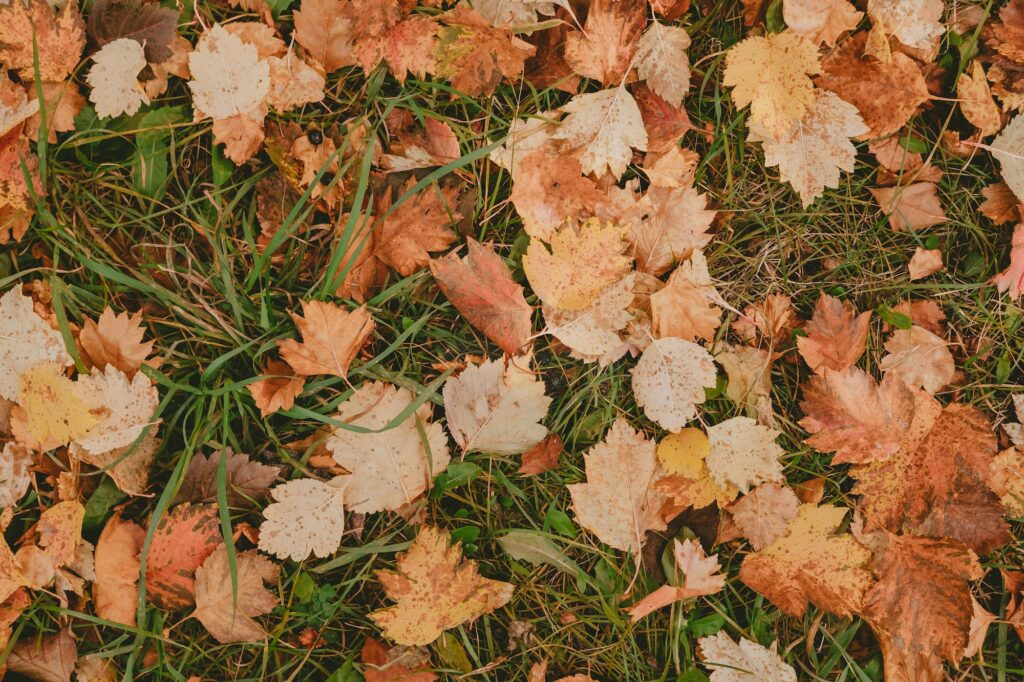
Leaves are a readily available and resourceful mulching option that can be used to add organic matter to your soil and protect your garden from harsh weather conditions. They can be a particularly good choice for fall mulching, as they are abundant during this season. It is important to shred or chop them before use to prevent them from matting and blocking water absorption.
6. Compost
Compost can be an excellent mulching option that offers a wealth of benefits to your garden. It is rich in nutrients, promotes healthy soil biology, and can help balance soil pH levels. It is important to note that compost should be well-aged and screened before use to prevent the introduction of weed seeds or pathogens.
7. Shredded Bark
Shredded bark is a popular mulching option that can add an attractive and natural aesthetic to your garden. It is effective at suppressing weeds, retaining moisture, and regulating soil temperature. It is important to ensure that the bark is shredded finely to avoid matting, which can interfere with water absorption.
8. Newspaper
Newspaper can be an affordable and effective mulching option that can help suppress weeds and retain moisture. It is important to use several layers of newspaper to prevent light from reaching the soil, which can encourage weed growth. It is also important to use black and white or uncolored newspaper, as colored inks can contain toxins.
9. Cardboard
Cardboard can be a useful and eco-friendly mulching option that can easily be sourced from household waste. It is an effective weed suppressant and can also help retain moisture. It is important to note that cardboard should be broken down into small pieces and laid flat to avoid creating air pockets that can dry out the soil.
10. Seaweed

Seaweed can be an excellent mulching option for those who live close to the ocean. It is rich in nutrients such as potassium, calcium, and magnesium, and can improve soil structure and drainage. Seaweed can be used fresh or dried and should be rinsed thoroughly before use to remove excess salt.
11. Gravel
Gravel can be an effective and long-lasting mulching option that can provide good drainage and regulate soil temperature. It is important to note that while gravel does not provide organic matter to your soil, it can be a useful option for creating pathways or adding interest to your garden.
12. Rubber Mulch
Rubber mulch is a long-lasting and durable option that can be particularly useful for playgrounds or areas that require high traffic tolerance. It is made from recycled tires and can be an environmentally-friendly choice. However, it is important to note that rubber mulch does not provide organic matter to your soil and should be avoided in vegetable gardens.
13. Cocoa Mulch
Cocoa mulch is a natural mulching option that has a pleasant chocolate scent and is particularly useful for gardeners who have pets. It is made from cocoa shells and can add organic matter to your soil. However, it is important to note that cocoa mulch can be toxic to dogs if ingested, and should be used with caution.
14. Stones
Stones can be a useful and decorative mulching option that can provide good drainage and regulate soil temperature. They can be particularly useful for succulent gardens or areas that require low maintenance. However, it is important to note that while stones do not provide organic matter to your soil, they can make a beautiful addition to your garden.
15. Sawdust
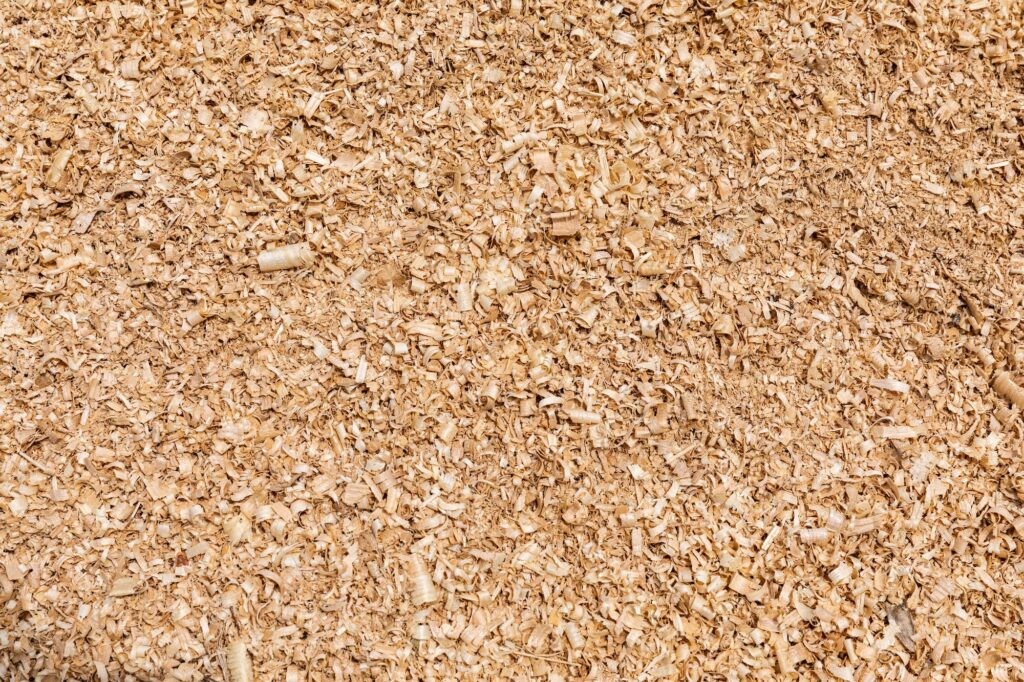
Sawdust can be a readily available mulching option that can help retain moisture, regulate soil temperature, and add organic matter to your soil. It is important to note that sawdust should be well-aged and dried before use to prevent the introduction of nitrogen-robbing microbes.
16. Buckwheat Hulls
Buckwheat hulls can be a useful mulching option for gardens that require good soil aeration and moisture retention. They are particularly useful for vegetable gardens and can add organic matter to your soil. However, it is important to note that buckwheat hulls can be expensive, and it may not be a feasible option for large-scale gardens.
Conclusion
Mulching is an important aspect of gardening that can provide numerous benefits to your garden. By choosing the right type of mulch and using it effectively, you can improve soil quality, suppress weeds, retain moisture, and regulate soil temperature. With so many different types of mulch to choose from, it is important to consider your specific gardening needs and goals before making a selection. By utilizing the information provided in this article, you can make an informed decision that will help you achieve optimal results in your garden.