Category Soil

Converting Water Roots To Soil Roots: A Comprehensive Guide

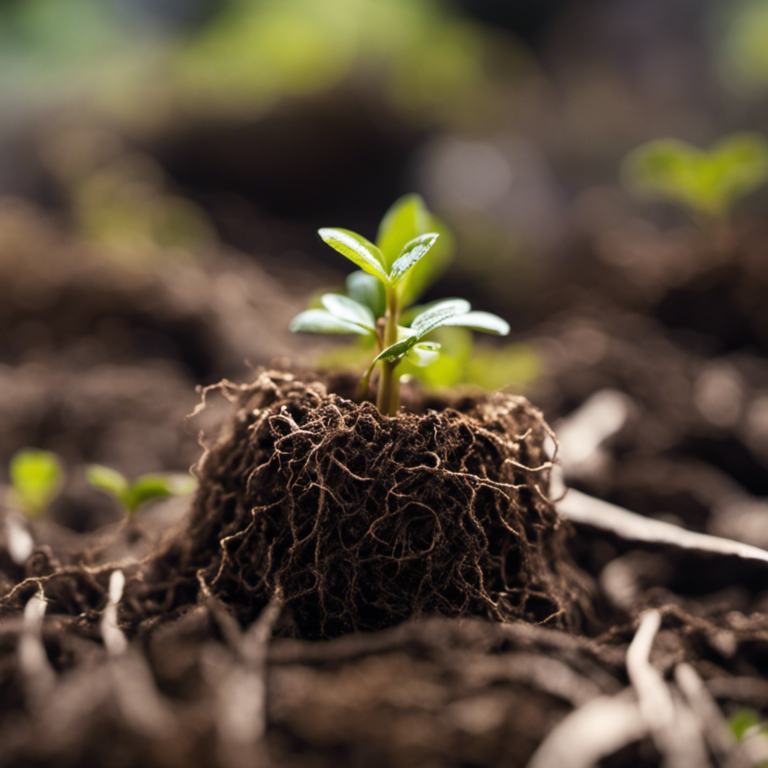
An image showcasing the step-by-step process of converting water roots to soil roots, illustrating the careful transition from a hydroponic system to soil, including the use of transplanting tools and nutrient-rich soil

Water rooting and soil rooting are two methods used in the growth and development of plants. While water rooting offers hydration, easy monitoring, and faster propagation for certain species, soil rooting provides stability, a natural environment, and overall better plant…
Mastering Air Layering: Secrets To Success

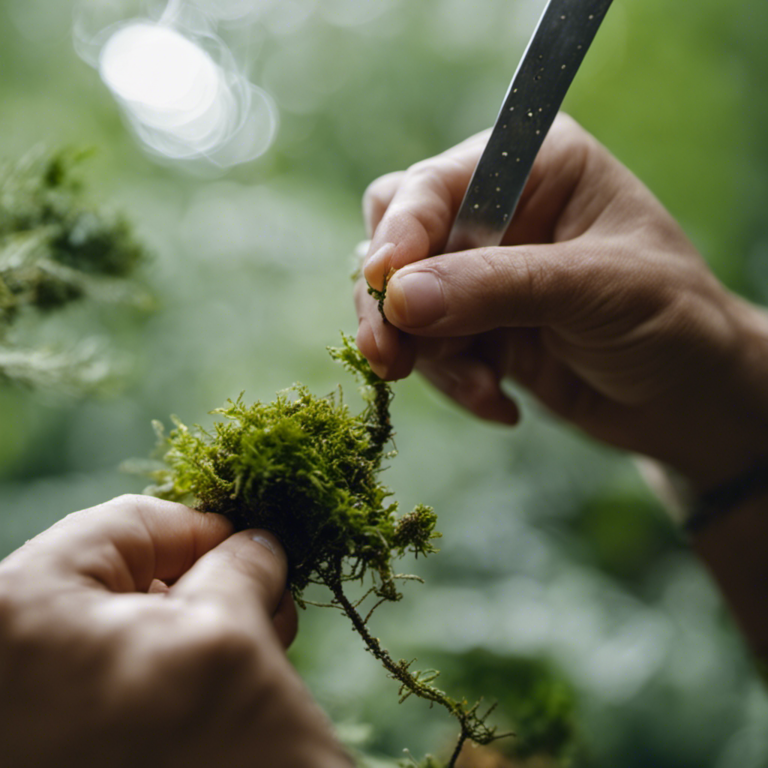
An image showcasing the step-by-step process of air layering: a gardener carefully slitting a branch, wrapping it with moist sphagnum moss, encasing it in plastic, and securing it with twine

Air layering is a propagation technique that holds the potential for successful plant cloning and rapid root development. This method offers numerous advantages, including the production of genetically identical offspring, a high success rate, and the ability to cultivate fully…

Vermicompost: The Ultimate Organic Fertilizer

An image showcasing a lush garden bed with vibrant, thriving plants, nourished by rich vermicompost

Vermicompost, often referred to as worm castings, is a highly beneficial organic fertilizer that offers significant advantages over chemical fertilizers. With its rich nutrient content, vermicompost serves as an effective source of nourishment for plants, aiding in their growth and…

Choosing The Right Thermometer For Soil And Compost

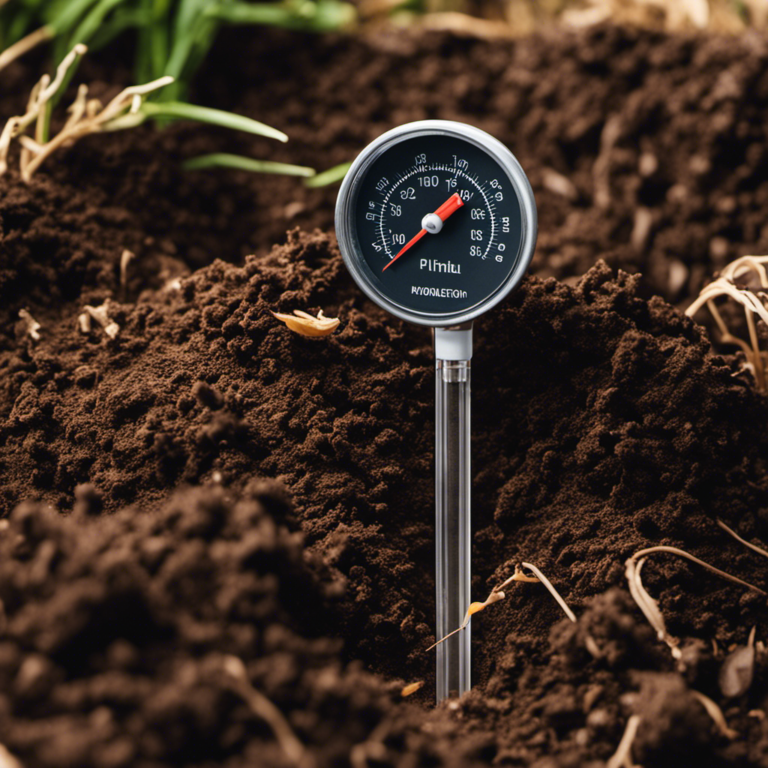
An image showcasing various thermometers designed for soil and compost, illustrating their different features like long probes, digital displays, and durable materials

Choosing the right thermometer for soil and compost is a fundamental aspect of accurate temperature measurement. The selection of a suitable thermometer is essential due to the distinct differences between food thermometers, soil thermometers, and compost thermometers. Each type of…

Peat Vs Humus: Choosing The Right Soil Amendment

An image showcasing two contrasting piles of soil amendments: one composed of dark, crumbly humus, rich in decomposed organic matter, and the other featuring light, fibrous peat moss, highlighting their differences for informed decision-making

Soil amendments play a crucial role in optimizing plant growth and productivity. Among the various amendments available, peat and humus are two commonly used options with distinct characteristics. Peat, known for its acidity, is traditionally employed to amend soil pH…

Potting Soil And Compost: Understanding The Differences

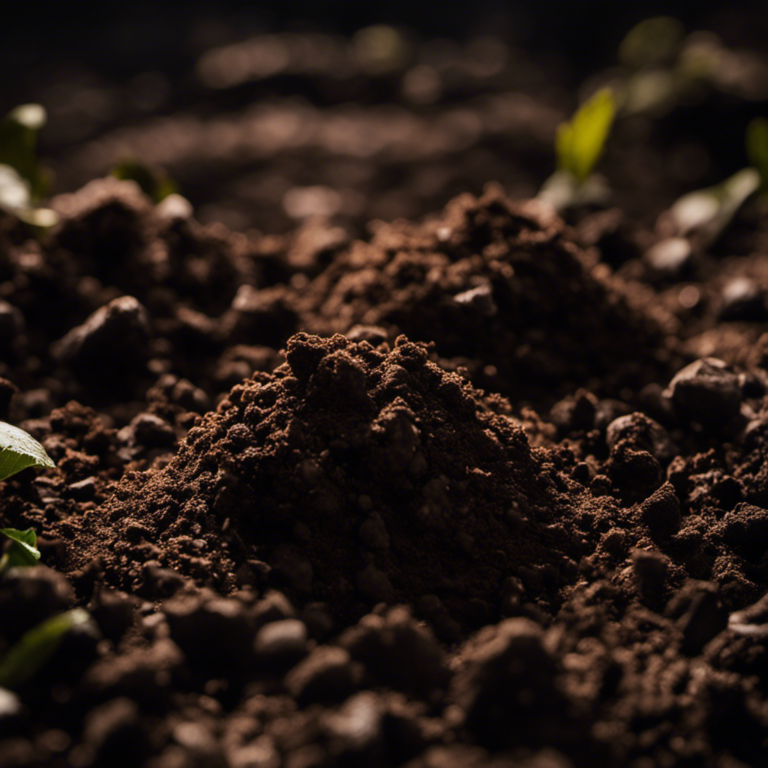
An image showcasing two distinct piles of soil - one rich, dark, and crumbly, resembling nutrient-rich compost, while the other appears lighter, looser, and sandier, representing potting soil

Potting soil and compost are two distinct types of soil commonly used in gardening. Potting soil is primarily employed for indoor plants, propagation, and seed starting, whereas compost serves as an inexpensive soil amendment that enhances fertility and supports outdoor…

Root Growth Restrictions: The Downside Of Peat Pots

An image showcasing the detrimental effects of peat pots on root growth

Peat pots, commonly used for transplanting seedlings, have gained popularity due to their natural and biodegradable composition. However, there is a downside to these seemingly eco-friendly planters. This article explores the restrictions that peat pots can impose on root growth.…

Causes And Effects Of Hydrophobic Soil: A Guide For Healthy Plants

An image showcasing a parched, cracked earth with wilted plants, surrounded by water droplets that cannot penetrate the soil

Hydrophobic soil, a condition characterized by the repulsion of water and hindered water absorption, poses significant challenges for plant growth and agricultural practices. This phenomenon can lead to diminished plant development, increased water expenses, and soil erosion. Various factors contribute…