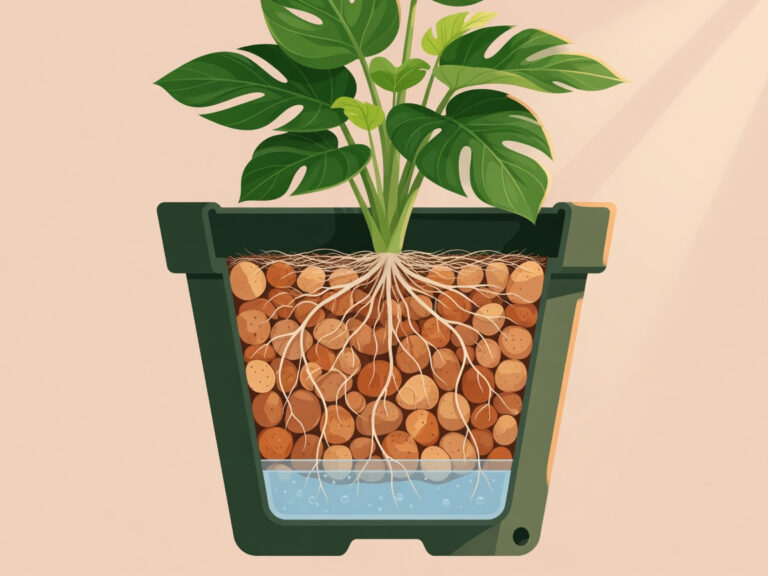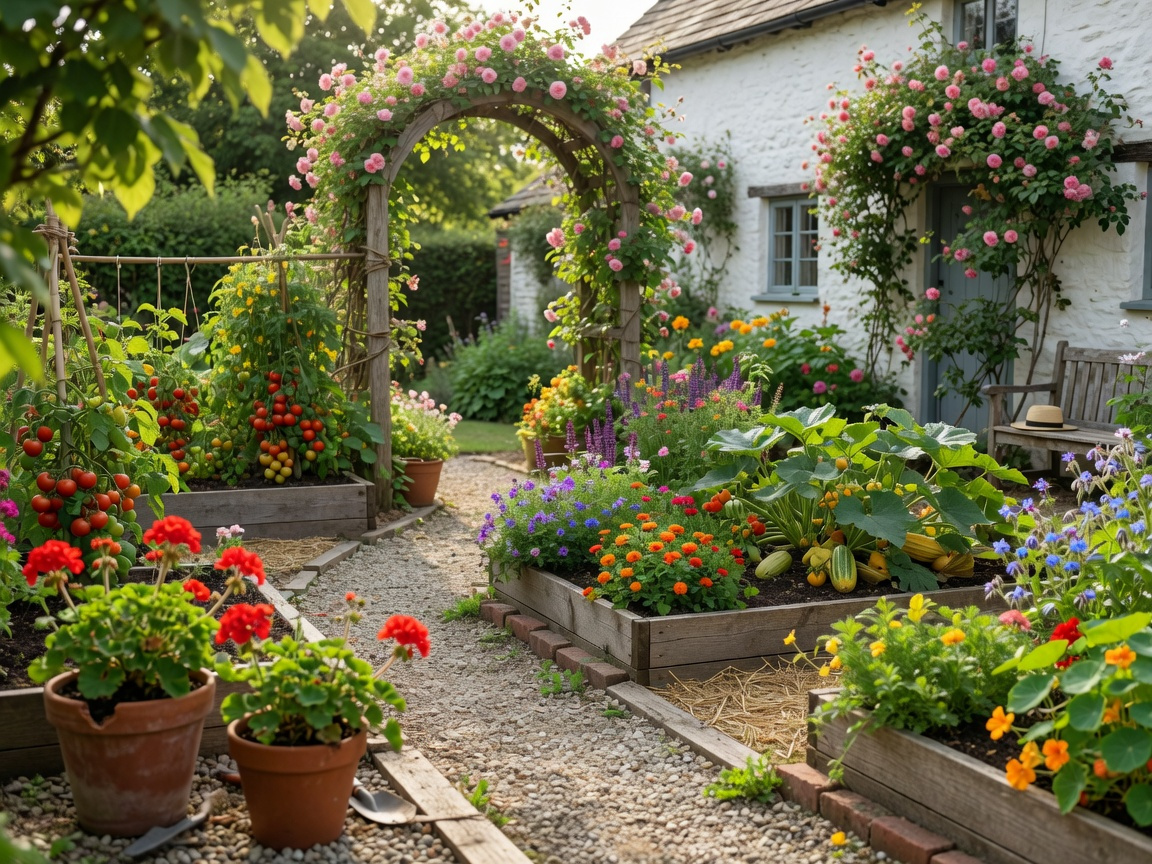

Summer garden tips, applied well, can transform an ordinary patch of ground into a lush, productive space that feeds and delights you all season long. The five strategies in this guide cover everything from choosing the perfect spot to watering smarter, feeding more effectively, and adding creative touches that make your outdoor space uniquely yours — whatever size plot you’re working with in 2026.
Some of the links in this article may be affiliate links. If you make a purchase through these links, we may earn a small commission at no extra cost to you. Thank you.
Key takeaways from this guide:
- Location and sunlight are the single biggest factor in summer garden success — most productive plants need at least six to eight hours of direct sun each day.
- Choosing beginner-friendly plants like courgettes, salad leaves, and herbs delivers fast, satisfying results right from your first season.
- Deep, infrequent watering combined with a layer of organic mulch can reduce soil moisture loss by up to 50% in hot weather.
- Switching to a high-potassium liquid fertilizer once fruiting vegetables begin to flower is one of the most consistently overlooked yield boosters available to home gardeners.
- Containers, trellises, and companion planting let you maximize both the productivity and the personality of your garden at the same time.
Why Summer Is the Best Season to Grow Your Dream Garden
Summer is peak growing season across the UK and most temperate climates worldwide. Long daylight hours, warm soil temperatures, and reliable conditions combine to give plants the ideal environment for rapid, healthy development. Seeds that took weeks to germinate in spring suddenly sprint to maturity, and the window between sowing and harvesting shrinks dramatically compared with other seasons.
Summer is also where garden rewards are most immediate and most visible. A courgette plant sown in late May can produce its first fruits within eight weeks. Salad leaves sown in early June are ready to cut in under four weeks. This fast feedback loop is genuinely motivating — and it’s one of the reasons summer gardening is such an effective starting point for people growing their own food or flowers for the first time.
UK home gardening has grown significantly over the past decade, with millions of households now growing at least some of their own produce. Those who plan their summer garden before the season begins — deciding on location, plant selection, and care routines in advance — consistently report higher yields and greater satisfaction than those who plant without a clear plan. A little preparation goes a very long way when the growing season is short and valuable.
Strategy 1: How Do You Choose the Right Location for a Summer Garden?
Location is the most important decision you will make before a single seed goes into the ground. Most fruiting vegetables — tomatoes, courgettes, cucumbers, peppers — need a minimum of eight hours of direct sunlight per day to produce well. Salad crops and leafy herbs manage comfortably on six hours, but will bolt quickly in intense afternoon sun, so a little midday shade actually suits them better.
Before choosing your plot, spend a full day observing where sunlight falls at different times — early morning, midday, and late afternoon. South-facing and west-facing beds receive the most sunshine in UK gardens, making them the prime real estate for heat-loving crops. North-facing beds are not useless: they suit leafy greens and shade-tolerant herbs that prefer cooler conditions and actually benefit from reduced direct exposure during the hottest part of the day.
Soil quality matters just as much as light. Well-draining soil rich in organic matter gives roots the oxygen and nutrients they need to establish quickly. A simple drainage test: dig a hole around 30 cm deep, fill it with water, and observe. If the water clears within 30 minutes, drainage is good. If it sits for an hour or longer, consider incorporating grit and compost into the existing soil, or switching to raised beds filled with a quality growing mix.
Understanding soil biology before you start amending your beds pays dividends throughout the season. The type of compost you choose matters more than many gardeners realize — and exploring the differences between fungal and bacterial compost types can help you match your soil amendment to exactly what your summer plants need to thrive.
Location Selection Checklist
- Track sunlight across the full day and commit to the sunniest available spot for your most productive crops.
- Test soil drainage with the fill-and-observe method before planting anything.
- Check for wind exposure — strong summer winds can damage tall plants and accelerate soil drying significantly.
- Choose a location within easy reach of a water source to make daily irrigation as convenient as possible.
- Avoid ground beneath large, established trees where root competition and persistent shade reduce yields.
Strategy 2: What Are the Best Plants to Choose for a Summer Garden?
Choosing the right plants is where personal taste meets practical reality. A summer garden can hold vegetables, flowers, herbs, or a joyful combination of all three — but the smartest approach matches plant selection to your climate, available space, and actual experience level. Starting with plants that genuinely suit your conditions produces far better results than attempting the most challenging crops straight away.
For beginners, fast-growing and forgiving crops deliver early wins that sustain motivation through the trickier moments of the season. Courgettes are notoriously productive — a single healthy plant in a large container or bed can produce 20 or more fruits during a single summer. Radishes germinate in as few as five days and are ready to eat within four weeks of sowing. Salad leaves cut and regrow multiple times from the same plants, delivering a harvest that keeps giving throughout the entire season.
Tomatoes, cucumbers, and climbing French beans represent a satisfying next step. They need more attention — regular watering, consistent feeding, and in the case of cordon tomatoes, removing sideshoots to keep growth directed at fruit production — but they reward that attention with harvests that feel genuinely special. Growing a plate of food that started as a seed you sowed yourself is one of the most satisfying experiences a garden can offer.
Herbs deserve special attention in any summer plan. Basil, chives, parsley, and mint are all easy to grow, look beautiful in containers near a back door, and pay back every minute of care many times over in the kitchen. Basil in particular thrives in warm summer temperatures and produces abundantly throughout the season — it is one of those plants where growing your own genuinely tastes noticeably different from shop-bought.
Planning the arrangement of your planting beds before you put anything in the ground is one of the most consistently rewarding investments a summer gardener can make. Thinking through spacing, crop rotation, and which plants benefit from proximity to others means you fit more into less space while naturally reducing pest and disease pressure. Our guide to creating a productive and beautiful vegetable garden layout walks through exactly how to approach this planning process step by step.
| Plant | Skill Level | Days to First Harvest | Daily Sun Needed |
|---|---|---|---|
| Radishes | Beginner | 25–30 days | 6 hours |
| Salad Leaves | Beginner | 30–45 days | 4–6 hours |
| Courgettes | Beginner | 50–65 days | 6–8 hours |
| Herbs (basil, chives, parsley) | Beginner | 21–40 days | 6 hours |
| Tomatoes | Intermediate | 60–80 days | 8 hours |
| Cucumbers | Intermediate | 55–65 days | 8 hours |
| Climbing French Beans | Intermediate | 60–70 days | 6–8 hours |
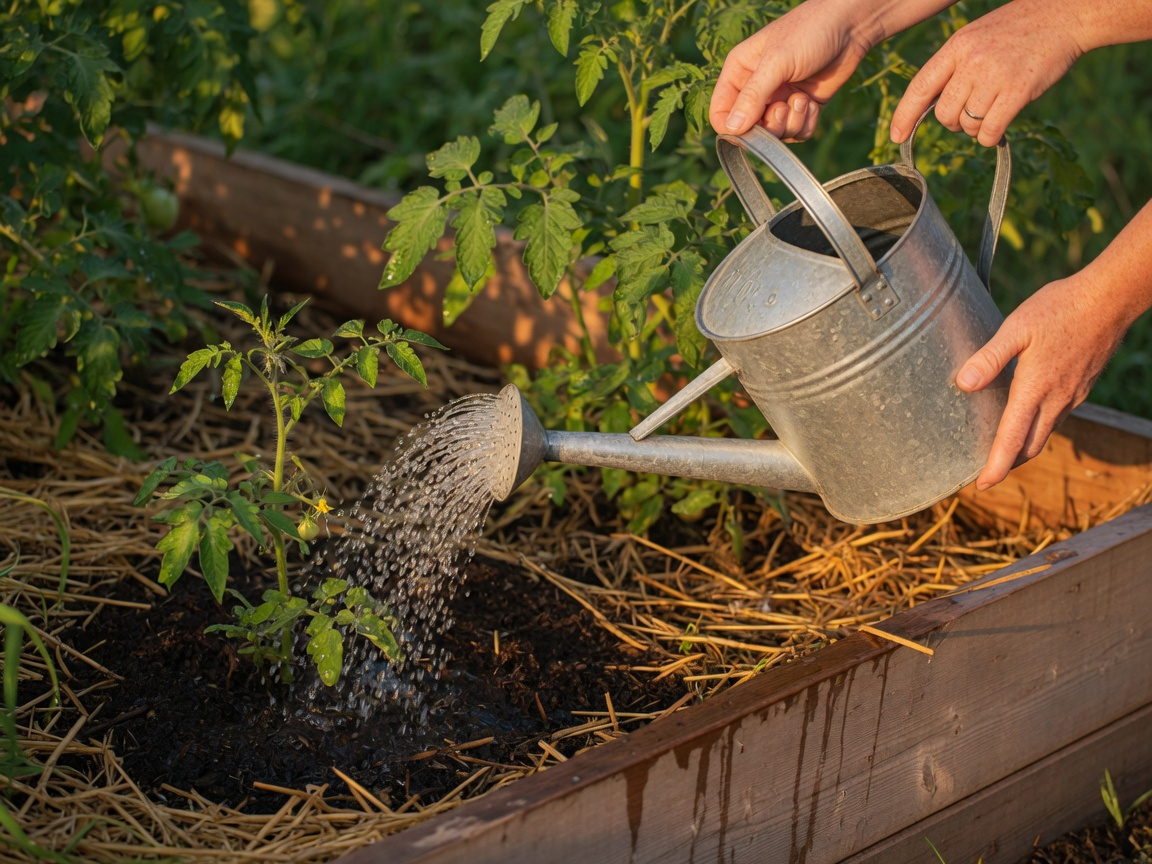
Strategy 3: How Should You Water Your Summer Garden to Avoid Waste and Stress?
Watering trips up more summer gardeners than almost any other task. Both underwatering and overwatering damage plants — and the genuine heat of UK midsummer makes it tempting to either water too often or to miss the early signs that plants are under moisture stress. A few key principles make a significant and measurable difference to how your garden performs through the hottest weeks of the year.
Water in the early morning whenever possible. Morning watering gives plants a moisture reservoir to draw from during the hottest part of the day, and leaves and soil surfaces dry out before nightfall — significantly reducing the risk of fungal disease that thrives in persistently damp conditions. Evening watering is acceptable but leaves plants damp overnight, which can encourage disease on susceptible crops like tomatoes and courgettes. Watering in full midday sunshine should be avoided: evaporation rates are highest, water never reaches meaningful depth in the soil, and heated water can stress plant roots.
Deep, infrequent watering produces stronger plants than light, frequent watering. When you soak the soil to a depth of 15–20 cm, roots follow moisture downward and establish a larger, more drought-resistant root system. Shallow watering keeps roots near the surface where they are vulnerable to heat stress and rapid drying between sessions. In practice, two to three thorough waterings per week serves most established summer gardens considerably better than a daily light sprinkle.
Mulching is one of the most powerful water-saving tools available to any summer gardener. A layer of organic mulch 5–8 cm deep applied around your plants significantly reduces evaporation from the soil surface, maintains more consistent soil temperatures, and suppresses weeds that compete for both moisture and nutrients. Well-maintained mulch can keep soil moist for nearly twice as long as unmulched ground during a warm dry spell. If you’re looking for a free and sustainable mulch material, grass clippings collected from your lawn work brilliantly when applied in a thin, even layer.
Summer Watering: Key Dos and Don’ts
- Do water at the base of plants, directing moisture to the roots rather than overhead onto foliage.
- Do check soil moisture before every watering session by pressing a finger 2–3 cm into the surface.
- Do apply mulch immediately after watering to lock moisture in and reduce future watering frequency.
- Do install a water butt to capture rainfall and reduce dependence on mains water during dry spells.
- Don’t water on a rigid daily schedule without checking what your plants actually need.
- Don’t allow containers to sit in standing water for more than 30 minutes after watering — root rot develops quickly.
- Don’t rely on rainfall alone during July and August — intervene actively during prolonged dry periods.
Strategy 4: When and How Should You Fertilize Your Summer Garden?
Summer plants are working at full capacity. They are producing foliage, flowers, and fruit at the fastest rate of the entire year, and they need a consistent supply of the right nutrients to sustain that output. Getting fertilizing right is one of the most reliable ways to move from a garden that merely survives the summer to one that genuinely thrives through every week of it.
The three key nutrients in any fertilizer — nitrogen (N), phosphorus (P), and potassium (K) — each serve a distinct purpose during summer. Nitrogen drives leafy, green growth and matters most early in the season when plants are establishing and putting on size. Phosphorus supports strong root development and the formation of flowers. Potassium improves fruit quality, strengthens stems, and helps plants resist the stress of heat and irregular watering that summer inevitably brings.
The most common fertilizing mistake in summer gardens is continuing to use a nitrogen-rich general feed once flowering begins. High nitrogen at this stage pushes the plant to produce more leaves at the direct expense of fruit — which is precisely the opposite of what you want from tomatoes, peppers, courgettes, or cucumbers in full summer. Once fruiting crops begin to flower, switch to a high-potassium liquid fertilizer and apply it every one to two weeks throughout the fruiting period. Many gardeners who make this single change notice a remarkable improvement in harvest size within just a few weeks.
Organic fertilizers — seaweed extract, fish emulsion, worm castings — release nutrients slowly and build soil structure over time, making them an excellent long-term investment. Synthetic fertilizers act faster and are useful for correcting visible deficiencies such as yellowing leaves or stunted growth where speed matters. Many experienced summer gardeners use both: organic matter incorporated into beds at planting time for background nutrition, and a liquid feed applied during peak growing periods for targeted boosts. Either approach works well — what matters most is consistency and attention to what stage your plants are at.
Strategy 5: How Can You Add Creativity and Personality to Your Summer Garden?
A summer garden is not just a food production system — it is an outdoor space that should feel genuinely joyful to spend time in. The most memorable gardens blend practical growing with creative touches that reflect the personality of the person who tends them. These creative elements also, very often, deliver real practical benefits alongside the aesthetic ones.
Containers and pots are among the easiest and most flexible tools in any summer garden. Brightly glazed pots planted with geraniums, petunias, or trailing lobelia add instant colour and impact to patios and paths. Containers also let you grow tender or frost-sensitive plants in areas where ground conditions are unsuitable, and they make seasonal swaps and autumn clearance dramatically simpler. Moving a pot requires seconds; moving an established planting does not.
Vertical growing transforms both the visual appeal and productivity of a garden. Trellises, obelisks, arches, and wigwam supports for climbing plants add height, structure, and visual drama while freeing up valuable ground space. A single arch covered in climbing sweet peas or runner beans can become the focal point of an entire garden and produce abundantly throughout the summer. Sweet peas in particular are among the most rewarding plants a summer gardener can grow: they flower prolifically, smell extraordinary, and the more frequently you cut them, the more blooms they produce.
Companion planting adds both beauty and genuine functionality to your summer beds. Growing marigolds among tomatoes deters whitefly and aphids. Nasturtiums act as a sacrificial crop, drawing aphids away from more valuable plants nearby. Basil planted next to peppers is widely believed among experienced growers to improve pest resilience and may even enhance fruit flavour. These partnerships make your garden more resilient and more interesting at the same time — and they are a wonderful gateway into understanding how plants interact with and support one another.
Never overlook the small personal touches that transform a productive plot into a space you genuinely want to spend time in: a hand-painted plant marker, a bird bath positioned where you can see it from the kitchen window, a wind chime, a favourite pot that you found at a market. Gardens that feel personal get tended with care. And the more consistently you tend your garden, the more it gives back.
What Are the Most Common Summer Gardening Mistakes to Avoid in 2026?
Even experienced gardeners fall into predictable patterns during the summer months. Knowing these traps in advance lets you sidestep them entirely rather than learning the expensive way mid-season.
- Overplanting and crowding. Summer excitement leads many gardeners to cram more plants into their available space than the plants can actually support. Crowded plants compete for light, water, and nutrients — and the spacing guidelines on seed packets exist for very good reasons. Resist the urge to squeeze in just one more courgette or tomato plant.
- Skipping the hardening-off process. Moving young plants raised indoors directly into full summer sunshine causes leaf scorch and transplant shock that sets plants back by two weeks or more. Harden off seedlings gradually over seven to ten days by increasing their outdoor exposure a little each day before planting out permanently.
- Ignoring early pest pressure. Summer warmth accelerates pest reproduction dramatically. Checking the undersides of leaves two or three times per week and acting at the very first sign of damage — hand-picking, netting, or applying an organic control — keeps problems manageable. An ignored aphid colony or slug infestation can defoliate a plant within days.
- Forgetting to deadhead flowering plants. Removing spent blooms from summer annuals encourages continued flower production rather than seed setting. Regular deadheading can extend the flowering period of plants like geraniums, petunias, and sweet peas by four to six weeks — a five-minute job that delivers weeks of extra colour.
- Inconsistent harvesting of fruiting crops. Many summer vegetables — courgettes, French beans, cucumbers — slow or stop production if fruits are left on the plant past their prime. Picking frequently at the right stage signals the plant to keep producing. A courgette overlooked for a week becomes a marrow; the plant reads this as mission accomplished and scales back its output accordingly.
Expert Advice: What Gardening Professionals Recommend for Summer 2026
Professional horticulturalists and experienced growers return to the same core principles season after season, because those principles consistently deliver results across different gardens, climates, and skill levels. Their collective wisdom distils into three key ideas: prepare the soil thoroughly, plan before you plant, and pay attention every single day.
“The gardeners who consistently get the best results treat their garden as a daily conversation,” notes one professional kitchen garden manager with over two decades of growing experience. “You don’t need to spend hours out there every morning — but five minutes of observation tells you everything you need to know. What needs water, where pests are beginning to build up, which plants are ready to pick. Five minutes of attention prevents five hours of crisis management later.”
“Most people significantly underestimate how much soil preparation matters at the start of the season,” says a senior organic growing specialist working with allotment networks across the UK. “You can compensate for mediocre light by choosing appropriate plants. You can compensate for irregular watering with good mulching and deep root development. But you cannot compensate for compacted, lifeless, or nutrient-depleted soil. Feed the soil first — it will look after your plants for the rest of the season.”
Surveys of UK allotment gardeners consistently show that those who plan their beds in advance — deciding which crops go where, how much space each needs, and which plants grow well in proximity — report meaningfully higher yields and lower pest damage than those who plant without a structured plan. The planning takes an hour or two before the season begins. The returns on that investment last all summer long.
For a comprehensive foundation to build on, our detailed guide to starting a summer garden with confidence covers the essential groundwork that sets every season up for success.
Your Summer Garden Timeline: A Practical Week-by-Week Framework
A successful summer garden follows a rhythm. Here is a practical framework to keep your planning, planting, and harvesting on track from the very beginning of the season through to the late summer transition.
- Weeks 1–2: Plan and prepare. Assess your location, run the drainage test, decide what to grow, and source your seeds or young plants. Prepare beds by digging in compost or well-rotted manure to a depth of 20–25 cm. Order equipment — pots, supports, drip irrigation — before the season gets busy and stock runs low.
- Weeks 3–4: Sow and plant. Direct sow fast-growing crops such as salad leaves and radishes. Plant out hardened-off tomatoes, courgettes, and cucumbers after your area’s last expected frost date. Erect cane supports and trellises before climbing plants need them — it is far easier than threading stems through structures after the fact.
- Weeks 5–8: Establish and monitor. Water consistently using the deep-infrequent method. Apply mulch to all beds to retain moisture. Begin a fortnightly liquid feed. Check for pests two to three times per week and act at the first sign of damage. Switch to a high-potassium feed for any fruiting crops that begin to flower.
- Weeks 9–12: Harvest and maintain. Pick fruiting crops regularly to encourage continued production — never leave courgettes or beans on the plant past their prime. Keep deadheading all flowering plants. Sow a second round of quick crops — radishes, salad, spring onions — for a late summer and early autumn flush.
- Weeks 13 onwards: Transition planning. Begin thinking about autumn crops to follow your summer planting. Clear spent plants promptly to reduce disease and pest carry-over into next season. Consider what worked brilliantly and what you’d do differently — good notes taken now become the best gardening guide you’ll ever have.

Frequently Asked Questions About Summer Garden Tips
When is the best time to start a summer garden?
The ideal time to begin planning is late winter or early spring, but you can achieve genuinely satisfying results by starting in early summer too. Many fast-growing crops — salad leaves, radishes, courgettes, and herbs — can be sown directly outdoors from late May through June in the UK. Even a garden started in early July will deliver worthwhile harvests before the season ends, particularly if you choose fast-maturing varieties selected specifically for late-season sowing.
How often should I water my summer garden?
For most established summer gardens, two to three thorough waterings per week delivers better results than a light daily sprinkle. In heatwaves or on fast-draining sandy soil, daily watering may become necessary. The most reliable guide is always the soil itself: push your finger 2–3 cm below the surface. If it feels dry at that depth, water now. If it still feels moist, wait. Container plants dry out significantly faster than ground beds and typically need watering every day during hot spells.
What are the easiest vegetables to grow in a summer garden?
Courgettes, radishes, salad leaves, and dwarf French beans are consistently the most beginner-friendly choices. They germinate quickly, tolerate minor inconsistencies in watering and feeding, and produce satisfying results without specialist knowledge or equipment. Compact bush tomato varieties are a rewarding next step — they need less training and staking than cordon types and produce abundantly with fairly straightforward care throughout the summer months.
How do I keep my summer garden alive during a heatwave?
Mulch is your most powerful tool in a heatwave. A 5–8 cm layer of organic mulch applied around all plants dramatically reduces moisture loss from the soil surface and keeps root zone temperatures stable. Water deeply in the early morning before temperatures peak, giving plants a moisture reserve to draw from during the hottest hours. Move containers into partial shade during extreme heat. Shade cloth over raised beds reduces soil temperature meaningfully on the very hottest days and is worth having on hand from the start of summer.
Do I still need to fertilize if I’ve already added compost to my beds?
Yes — compost improves soil structure and provides slow-release background nutrition, but it rarely delivers enough of the right nutrients to meet the demands of heavy-cropping summer vegetables at peak production. A liquid feed applied every two to three weeks from midsummer onwards makes a genuinely noticeable difference to plant health and overall yields. Fruiting crops in particular benefit from a dedicated high-potassium liquid fertilizer once flowering begins, regardless of how much compost was incorporated at planting time.
Can I grow a productive summer garden in containers on a small patio?
Absolutely. Container gardening on a patio or balcony is one of the most productive forms of small-space growing available. Tomatoes, herbs, salad leaves, courgettes, climbing beans, and even compact dwarf fruit trees all thrive in containers when given quality compost, consistent watering, and a sunny position. The key is choosing appropriately sized pots — most vegetables perform best in at least a 25–30 litre container — and watering more frequently than you would with ground-planted crops, since containers drain and dry out significantly faster.
What should I plant if I want colour and flowers rather than food?
For a summer garden focused on flowers and colour, fast-growing annuals are your best starting point. Sunflowers, nasturtiums, marigolds, zinnias, and cosmos all germinate easily, grow vigorously, and flower for months with regular deadheading. Sweet peas, sown from seed in spring or planted out as young plants after the last frost, are among the most beloved summer flowers in UK gardens — fragrant, prolific, and beautiful in cut flower arrangements. Perennials including lavender, echinacea, and rudbeckia add structural year-round interest and return each summer without resowing.
Start Your Epic Summer Garden Today
A thriving summer garden in 2026 is absolutely within reach — whatever space you have available and however much growing experience you bring to the plot. The five strategies in this guide cover the same ground that professional horticulturalists return to season after season: choosing the right location, selecting plants wisely, mastering watering, feeding consistently, and adding personality through creative touches. They work at every scale, from a single pot on a city balcony to a sprawling allotment plot.
Start with whatever excites you most. A few pots of herbs on a sunny windowsill. One raised bed of salad leaves ready to harvest within a month. A trellis planted with sweet peas and runner beans that turns a bare fence into something extraordinary. Each small success builds the knowledge, confidence, and genuine enthusiasm that grows into bigger, bolder gardening in every season ahead.
The best summer garden is always the one you actually start. So go on — get digging. Your epic garden is waiting.