
Want to keep snakes out of your garden for good? The most effective approach combines smart planting, thoughtful design, and a handful of consistent habits — and you can begin putting it into practice this weekend.
Some of the links in this article may be affiliate links. If you make a purchase through these links, we may earn a small commission at no extra cost to you. Thank you.
Snakes visit gardens for three reasons: food, shelter, and warmth. Remove or reduce those attractants and most snakes will simply move on to easier territory. In this guide, we cover ten proven strategies — from snake-repellent plants to proper fencing installation and daily maintenance routines — that genuinely make a difference in 2026.
Key Takeaways
- Most garden snakes are non-venomous and visit gardens in search of food (rodents, insects) and shelter (leaf piles, dense vegetation).
- Plants including marigolds, lemongrass, and mother-in-law’s tongue naturally deter snakes through aromatic compounds and physical structure.
- Hardware cloth mesh fencing with openings under ¼ inch is the single most reliably effective physical barrier against most snake species.
- Regular mowing, prompt debris removal, and sealing entry points form the foundation of any long-term snake-prevention strategy.
- If you encounter a snake, stay calm, keep at least 1.5 metres of distance, and let it move on — never attempt to handle it.
Why Are Snakes Attracted to Gardens in the First Place?
Before you can effectively deter snakes, it helps to understand what draws them in. Snakes are ectotherms — they rely entirely on external heat sources to regulate their body temperature. Your sun-warmed stone paths, raised beds, and sheltered dark corners are genuinely attractive to them on a biological level.
Food is the other major pull. Gardens are remarkably productive ecosystems: small rodents like mice and voles thrive in vegetable patches and compost heaps, and snakes follow the food. Wildlife researchers note that gardens with active rodent populations are significantly more likely to experience regular snake activity than those where pests are properly managed. Beyond rodents, snakes also eat slugs, frogs, and large insects — creatures that any healthy garden produces in abundance.
Shelter completes the picture. Dense ground cover, leaf piles, woodpiles, and overgrown borders all provide the dark, humid hiding spots that snakes need to rest and thermoregulate safely. Common garden visitors include garter snakes and rat snakes — both non-venomous — though copperheads and other venomous species occasionally appear in warmer regions of the US and southern Europe. Understanding these motivations makes the prevention strategies below much more intuitive to apply.
Which Plants Naturally Repel Snakes from Your Garden?
One of the most enjoyable ways to deter snakes is through your planting choices. Several garden species have earned a strong reputation among horticulturalists as natural deterrents, working either through strong aromatic compounds that disrupt snakes’ chemosensory systems or through physical structure that makes movement difficult and uncomfortable.
Garden advisory bodies consistently recommend planting deterrent species along perimeters as a first line of defence. Here are the five most widely reported effective options:
- Marigolds (Tagetes spp.) — Their strong scent and root secretions are widely reported to repel snakes, while simultaneously deterring a range of common garden pests. Plant them as a continuous border around vegetable beds.
- Lemongrass (Cymbopogon citratus) — High citronella content makes lemongrass aromatic to humans but unpleasant for snakes. It also deters mosquitoes, making it a dual-purpose addition to any garden.
- Garlic and onion (Allium spp.) — Sulphuric compounds in alliums interfere with snakes’ ability to track scent trails. Plant them densely along entry points and boundaries.
- Mother-in-law’s tongue / snake plant (Sansevieria trifasciata) — Its stiff, sharp-edged leaves are physically difficult for snakes to move through. Position plants near gates and gaps in hedging.
- Wormwood (Artemisia absinthium) — The bitter aromatic oils in wormwood act as a broad-spectrum deterrent for many garden pests, including snakes in numerous reported cases.
Plant these species in combination along your perimeter rather than relying on any single one. They won’t provide an absolute barrier, but as part of a layered strategy they make your garden measurably less attractive to snakes. If you’re planning a new planting scheme this season, our guide to starting a summer garden covers how to build multi-purpose perimeter plantings from scratch — including how to sequence your introductions so the border works from day one.
How Should You Design Your Garden to Discourage Snakes?
Garden layout has a bigger impact on snake presence than most gardeners realise. The fundamental principle is simple: snakes favour environments that give them cover. Open, well-maintained, well-lit gardens with clear sightlines are far less appealing than dense, tangled, shadowy ones.
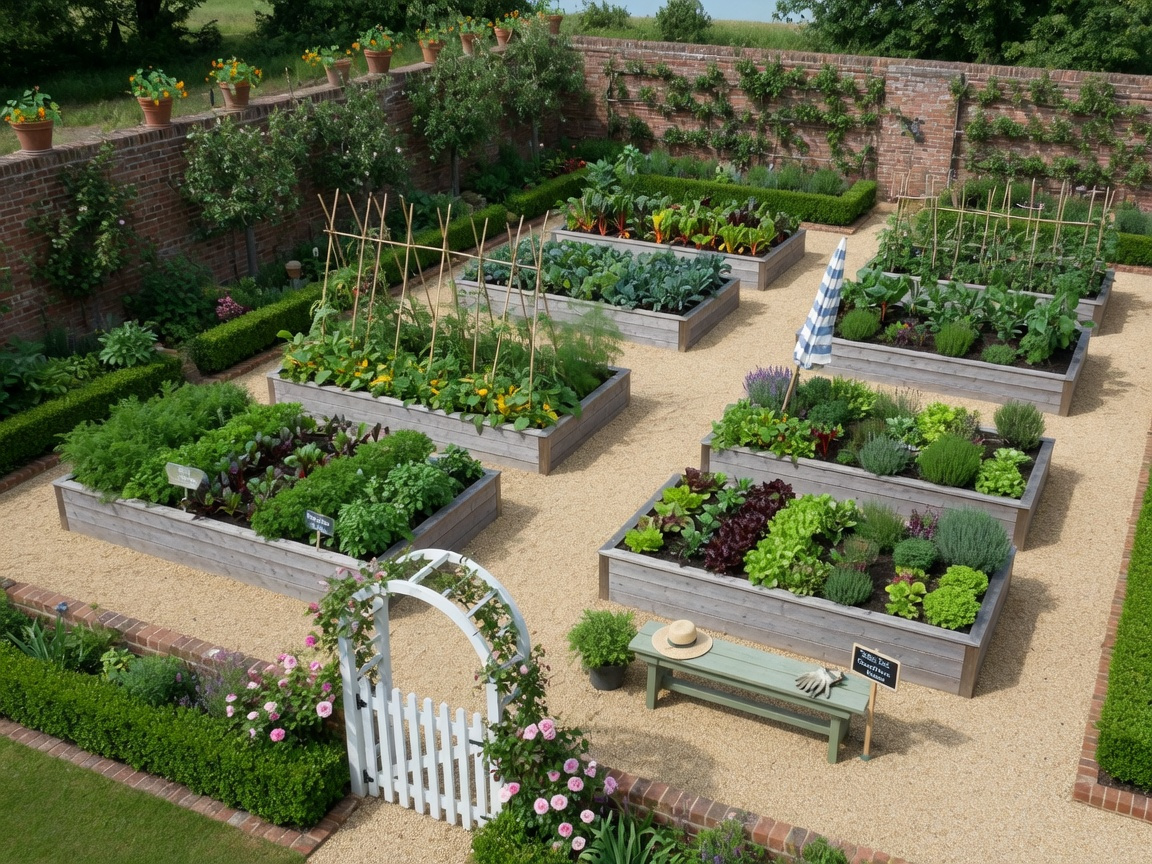
Raised garden beds are worth considering on multiple grounds. They lift planting off the ground, reduce potential hiding spots at soil level, and make it far easier to spot any uninvited visitors at a glance. Research into garden pest management consistently highlights raised beds as one of the most effective structural choices for minimising unwanted wildlife activity at ground level.
Keep pathways open and clearly defined — snakes avoid high-traffic, exposed areas where they feel vulnerable. Position dense plantings away from seating areas, children’s play zones, and vegetable patches. Regularly cut back any ground-hugging plants, and avoid letting hedges develop dark, tangled bases. A thoughtful layout pays dividends well beyond snake prevention: a well-planned vegetable garden layout also improves light distribution, airflow, and general pest management across all your beds.
Aim for roughly 30–40% open, well-lit space within your garden — areas where you’d feel comfortable walking without checking every step. That level of openness is a reliable passive deterrent for most snake species and makes your garden a generally more pleasant place to spend time.
What Natural Snake Deterrents Can You Make or Use at Home?
If you’d rather avoid chemical repellents near food crops or pets, several natural alternatives have a solid track record of reducing snake activity. These work best as supplementary measures alongside the structural strategies above, not as standalone solutions.
Cinnamon and Clove Oil Spray
Mix approximately 10–15 drops each of cinnamon essential oil and clove essential oil into 500ml of water in a spray bottle. Apply around the garden perimeter and near known entry points. Snakes navigate primarily through scent — these oils disrupt that process effectively. Reapply every 3–5 days and after rainfall to maintain the deterrent effect.
Ammonia-Soaked Rags
Soaking old rags in household ammonia and placing them near entry points creates a strong olfactory barrier that snakes dislike. Replace them every 7–10 days to keep the scent potent. Keep the rags well clear of plant beds — concentrated ammonia can damage roots and disrupt beneficial soil microbes. Those committed to fully chemical-free approaches will find that exploring organic gardening principles opens up a broader toolkit of plant-safe pest-management strategies.
Cedar Mulch
Cedar contains natural oils that deter snakes and many common insects. Replacing standard bark mulch with cedar chips along pathways and bed borders adds passive deterrence to areas snakes would otherwise cross freely. Cedar mulch also suppresses weeds and retains soil moisture well — an all-round practical choice that earns its place in any garden.
Sulphur Powder
Garden sulphur powder is available from most garden centres and is a widely used snake deterrent. Apply a continuous line around the garden perimeter, reapplying after rain. Its strong odour deters snakes reliably in dry conditions, though its effectiveness diminishes significantly in wet weather. Keep it well away from edible crops and always wash hands thoroughly after handling.
How Do You Build a Snake-Proof Garden Fence?
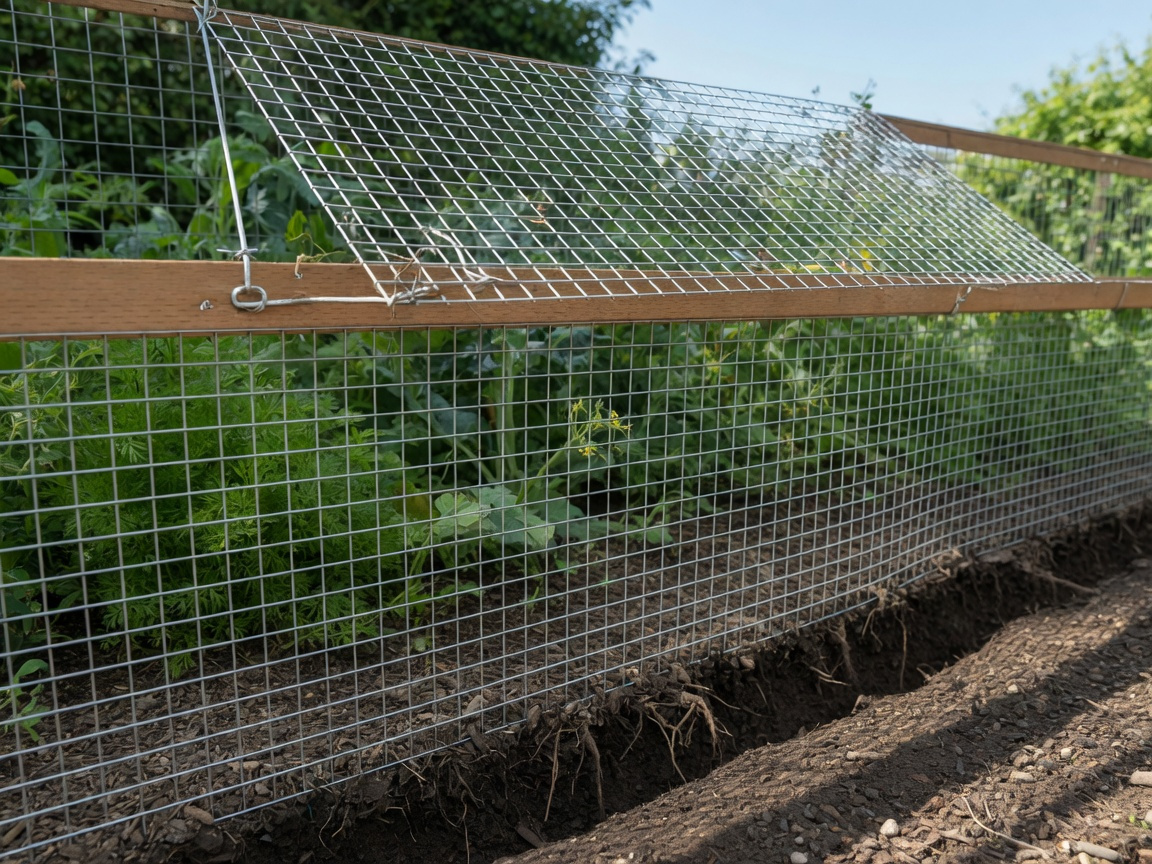
A properly installed fence is one of the most reliable physical barriers you can create against snakes. Standard garden fencing won’t do the job — snakes can squeeze through gaps as small as 6mm. The step-by-step process below addresses each vulnerability systematically.
- Select the right mesh. Use heavy-gauge hardware cloth (wire mesh) with openings no larger than ¼ inch (6mm). This excludes the majority of snake species likely to visit a domestic garden.
- Set the correct height. Install the fence to a minimum height of 30 inches (75cm). Angle the top section outward at approximately 30 degrees to create an overhanging lip — this prevents climbing snakes from clearing the top.
- Bury the base. Dig a trench at least 6 inches (15cm) deep and bury the bottom of the mesh. This stops snakes — and burrowing rodents — from entering beneath the fence line.
- Seal every gap. Inspect all junction points: where the fence meets gates, posts, walls, and the ground. Any gap wider than 6mm should be closed with additional mesh or exterior sealant.
- Clear vegetation from the fence line. Trim back overhanging branches and any climbing plants near the fence — rat snakes and similar species are skilled climbers and will use vegetation as a bridge over an otherwise sound barrier.
Inspect your fence at least twice a year — in early spring before snake season begins, and again in autumn. Ground movement after hard frosts or heavy rainfall can shift buried sections and open new gaps. Factor this into your seasonal maintenance routine and you’ll catch problems before snakes do.
What Maintenance Habits Keep Snakes Away Long-Term?
Snake prevention is less about a single dramatic intervention and more about a set of consistent habits. The good news is that most of these practices also improve the overall health and productivity of your garden — which makes them well worth building into your routine regardless of snake concerns.
- Mow regularly. Keep your lawn to approximately 5cm or below. Long grass is prime snake habitat — it provides cover, warmth, and proximity to prey. Consistent mowing is one of the simplest and most effective deterrents available. If you’re making good use of your clippings rather than bagging them, our guide on using grass clippings in the garden shows how to turn a regular chore into a valuable soil-building resource.
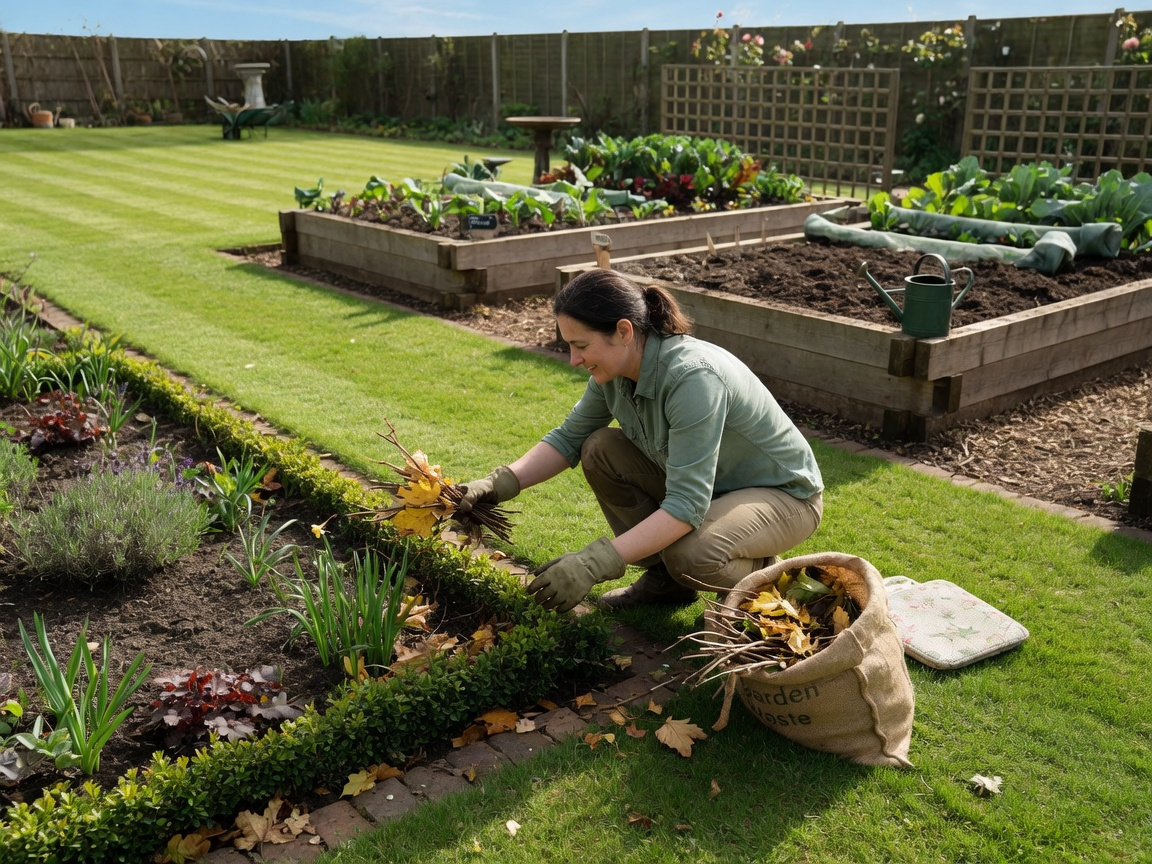
- Clear debris promptly. Remove leaf piles, brushwood, and any accumulated materials that create cover at ground level. Don’t allow these to build up over autumn and winter when snake activity is lower but the shelter created persists.
- Store wood and materials off the ground. A ground-level woodpile is ideal snake habitat. Elevate all stored materials on a rack or platform at least 30cm above the ground to eliminate this shelter entirely.
- Secure your compost bin. Open compost attracts rodents, and rodents attract snakes. A bin with a close-fitting lid breaks this chain of attractants at its source.
- Manage standing water. Snakes need water sources. Regularly empty standing water from plant saucers, blocked gutters, and low-lying areas where puddles persist after rain.
- Address rodent populations promptly. Any sign of mice or voles should be dealt with quickly — these are the primary food source that draws snakes to gardens. Block entry points to outbuildings and use humane traps as first steps.
Monthly perimeter checks take about 10 minutes and are well worth the habit. Walk the fence or wall line looking for fresh gaps, and inspect any outbuildings for new entry points. Snakes are opportunistic — a new gap after a storm can bring a visitor within days if the food sources are present.
How Effective Are Commercial Snake-Repellent Products?
The commercial snake-repellent market has grown considerably, with dozens of products claiming to deliver a snake-free garden. Independent assessments paint a mixed picture. Here’s an honest breakdown of the main product categories and what to realistically expect from each.
| Product Type | How It Works | Effectiveness | Best Use Case |
|---|---|---|---|
| Granular repellents (sulphur / naphthalene-based) | Strong odour deters snakes via chemosensory disruption | Moderate | Perimeter treatment; must be reapplied after rain |
| Essential oil sprays (cinnamon, clove) | Aromatic compounds interfere with scent navigation | Moderate | Spot treatment near entry points and known gaps |
| Electronic vibration stakes | Ground vibrations intended to mimic predator movement | Low–variable | Open, flat areas; inconsistent results in testing |
| Hardware cloth mesh fencing | Physical exclusion barrier | High | Full garden perimeter — most reliably effective |
| Cedar mulch | Aromatic wood oils passively deter snakes | Low–moderate | Pathways and bed borders as a supplementary layer |
The pattern across most independent assessments is consistent: physical barriers outperform scent-based deterrents in every category. Sprays and granular products require frequent reapplication and lose effectiveness in wet weather. Electronic vibration stakes, despite being widely marketed, have shown inconsistent results and are generally considered the least reliable option in the range. Use them as a supplementary layer within a broader strategy — never as your primary line of defence.
What Should You Do If You Find a Snake in Your Garden?
Finding a snake in your garden is startling, but the right response keeps both you and the animal safe. The vast majority of garden snakes are non-venomous and will leave on their own if given adequate space and time — patience is your best tool here.
- Stop and stay still. Sudden movement can startle a snake into a defensive posture. Freeze briefly, then take slow, deliberate steps away from the area.
- Maintain distance. Give the snake at least 1.5 metres of clear space. Never reach toward it, even if you believe it to be non-venomous — misidentification is surprisingly common even among experienced gardeners.
- Let it move on naturally. In most cases, a snake will retreat within a few minutes once it no longer feels threatened. Observe from a comfortable distance and give it a clear exit route.
- If it is in an enclosed space, open a nearby gate or outbuilding door and step well back. Most snakes will move toward open space when they sense a route out.
- If you suspect it is venomous, or if it refuses to move after a reasonable period, contact your local wildlife authority or a licensed pest control professional. Do not attempt removal yourself.
In the UK, all three native snake species — the adder, grass snake, and smooth snake — are legally protected. Harming or killing any of them is a criminal offence. Even in countries without specific legal protections for snakes, killing them disrupts local ecosystems: many species play a genuinely valuable role in controlling rodent populations. The goal is deterrence and coexistence, not elimination.
How Can You Tell If Snakes Are Already Visiting Your Garden?
Snakes are secretive and often go undetected for extended periods. Knowing the signs of their presence helps you act before they establish a regular pattern in your space — early detection makes prevention far more straightforward.
- Shed skins — the most reliable indicator. Snakes shed their entire skin periodically as they grow; finding a translucent, hollow skin confirms a recent visitor. Grass snake skins are often found near water features or compost heaps.
- S-shaped track marks — undulating trails in soft soil or sandy areas, particularly visible after rain when the ground surface holds impressions well.
- Small rounded burrow holes near the base of walls or in loose soil can indicate a resting snake, though these may also be made by voles or other burrowing animals.
- Leathery, oblong eggs in sheltered spots — soft-shelled eggs in compost heaps or dense leaf litter indicate a nesting snake. In the UK, grass snakes commonly use active compost heaps as nesting sites.
- Sudden, unexplained rodent decline — if a known mouse or vole problem resolves unexpectedly, a snake may be actively hunting in your garden.
If you spot any of these signs, step up your prevention measures immediately. Audit the garden for debris, seal any new gaps in your perimeter, and apply a deterrent spray while you address the underlying attractants — particularly any food sources that are drawing the snake in.
Frequently Asked Questions: Keeping Snakes Out of the Garden
Do snakes visit gardens in winter, or only in the warmer months?
In the UK and much of northern Europe, snakes are active roughly from March through October, hibernating in frost-free spots over winter. In warmer climates — much of the US, southern Europe, and further afield — snakes may be active year-round. Your prevention habits matter most during the warmer months, but clearing debris and sealing gaps in winter is still valuable preparation for the season ahead.
Will having a dog or cat help keep snakes away?
Cats and dogs can deter snakes to some degree — their scent and movement may make snakes more cautious about entering a space. However, pets can also provoke defensive bites from both venomous and non-venomous species, putting themselves at risk. Pets are not a reliable or safe primary deterrent. Think of them as one small contributing layer in your overall approach, not a solution in their own right.
Is it legal to kill snakes found in my garden?
In the UK, killing or disturbing any native snake species is a criminal offence under the Wildlife and Countryside Act 1981. In other countries, laws vary significantly — many US states protect harmless species, while venomous species are handled by local authorities on a case-by-case basis. Always check your local legislation before taking any action beyond passive deterrence. When in doubt, call a licensed wildlife handler rather than attempting removal yourself.
Can snakes climb over fences or walls to enter my garden?
Yes — several species, most notably rat snakes and corn snakes, are accomplished climbers capable of scaling rough walls, wooden fences, and even fairly smooth surfaces given a foothold. This is exactly why the outward-angled lip at the top of a properly built snake-proof fence matters. Overhanging vegetation near walls and fence lines also provides an effective bridge for climbing snakes — trimming these back is part of the seasonal maintenance routine.
Do snake-repellent plants really work, or are they garden folklore?
The evidence is largely observational rather than from controlled trials, but the underlying mechanism is genuinely plausible. Snakes rely heavily on their Jacobson’s organ — a chemosensory system — for navigation and prey detection. Strong aromatic compounds from plants like garlic, lemongrass, and marigolds do interfere with this system. Most horticulture experts recommend treating repellent plants as a useful supplementary layer within a broader strategy rather than a standalone solution. Paired with good maintenance and physical barriers, they contribute meaningfully to overall deterrence.
What should I do if I find snake eggs in my garden?
Do not handle or attempt to destroy them — in the UK and many other countries, disturbing the eggs of a protected species is illegal. Photograph their location and contact your local wildlife trust or pest control service for guidance. In the UK, grass snake eggs in compost heaps are relatively common and generally harmless — the snakes that hatch from them eat slugs and small rodents, providing a genuine benefit to the garden ecosystem.
Your 2026 Action Plan for a Genuinely Snake-Free Garden
Creating a snake-resistant garden doesn’t require expensive products or major landscaping — it requires a layered approach, applied consistently. Here is a realistic timeline to work through at a manageable pace.
- This week: Clear any debris piles, mow the lawn short, and trim back dense ground-level vegetation. These actions alone remove the most common snake shelters and deliver an immediate improvement.
- Within the next month: Walk your full perimeter and seal any gaps larger than 6mm in fences, walls, or foundations. Elevate stored wood and materials. Fit a close-fitting lid to your compost bin.
- Next planting season: Introduce marigolds, lemongrass, and garlic plants along your garden perimeter. Assess whether any dense, low-light areas in your layout could be opened up or raised.
- Ongoing: Monthly perimeter checks, regular mowing, and prompt debris clearance. Address any rodent activity early — it is the single most reliable way to reduce snake interest in your garden over the long term.
A consistently well-managed garden is safer, more enjoyable, and more productive. The habits that deter snakes — clean borders, clear sightlines, managed pests, secured shelters — are the same habits that produce healthier plants and a more pleasurable outdoor space. Start with the quick wins this week, and build the rest in steadily over the coming months. Your garden will be better for all of it.