
Making DIY seed bombs takes less than 30 minutes and costs almost nothing. Whether you use clay, flour, or recycled paper as your binder, the result is the same: a compact, biodegradable ball packed with seeds that you can throw into bare patches, hedgerows, or neglected corners to trigger a wave of colour with minimal effort.
Some of the links in this article may be affiliate links. If you make a purchase through these links, we may earn a small commission at no extra cost to you. Thank you.
Key Takeaways
- Clay seed bombs retain moisture and release beneficial minerals — ideal for dry climates and long-term storage of up to 12 months.
- Flour seed bombs are the quickest to make and ready to use in as little as 4–6 hours, perfect for a spontaneous wildflower project.
- Paper seed bombs are the most eco-friendly option, turning recycled newspaper or junk mail into plantable seed packets that dry fully in 2–3 days.
- All three methods work without digging, making them ideal for rewilding, guerrilla gardening, and creative craft sessions with children.
What Are Seed Bombs and Why Are They So Popular in 2026?
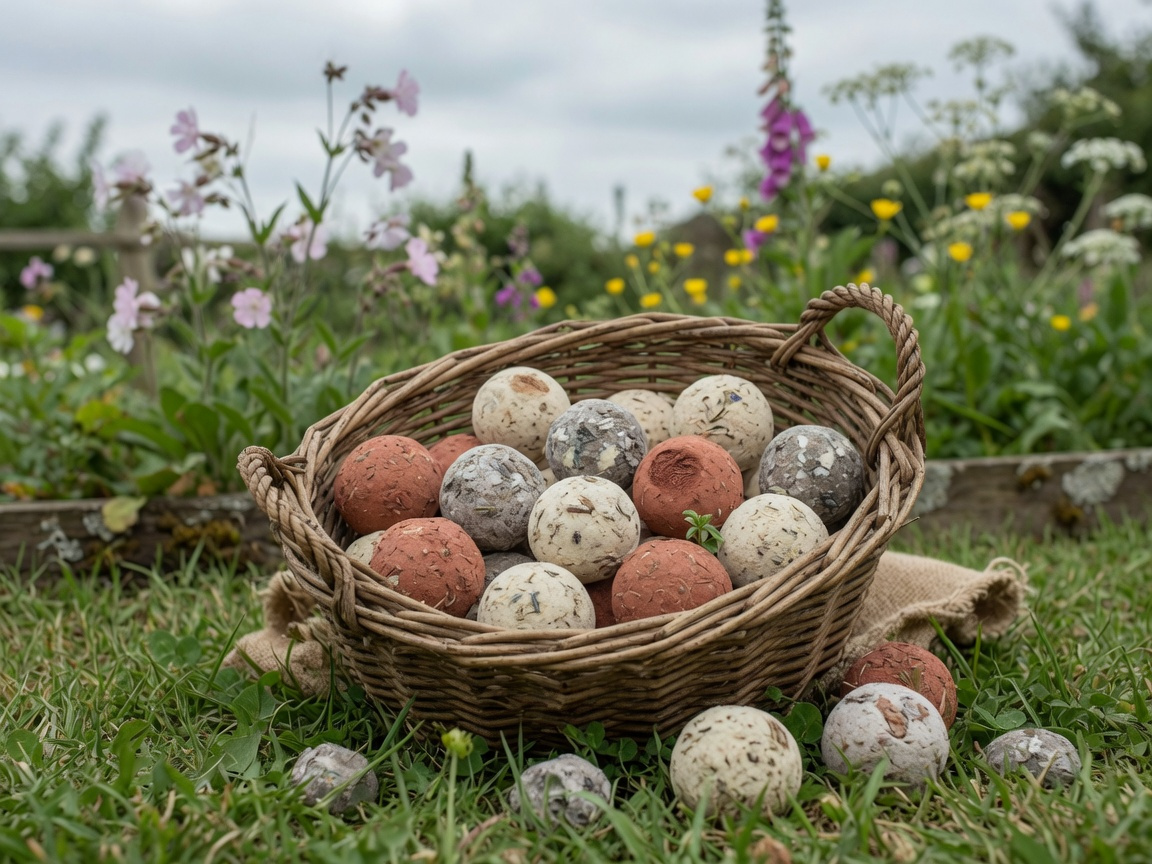
A seed bomb is a compact pellet made from seeds bound inside a protective casing of clay, flour paste, or paper pulp. The casing shields seeds from birds, wind, and dry conditions until rainfall softens it and triggers germination. As the casing breaks down, it adds organic matter to the soil around the sprouting seedling — making the whole process genuinely self-contained.
Seed bombs first gained wide attention through the guerrilla gardening movement, where activists threw them into neglected urban plots to reclaim them with wildflowers. Today they sit firmly in the mainstream. Gardeners use them to fill awkward corners, attract pollinators, and involve children in growing — all without breaking out a spade. Urban greening research consistently shows that seed bomb dispersal establishes wildflower cover in degraded areas significantly faster than hand-sowing on bare or compacted ground. In 2026, seed bomb kits have become a fixture at garden centres, craft fairs, and rewilding festivals across the UK, with interest in low-effort, high-impact planting methods continuing to grow year on year. If you already practise organic gardening, seed bombs fit naturally into that philosophy — no chemicals, no plastic, and a positive impact on local biodiversity from the moment you throw one.
Seed bombs are one of the most accessible entry points into rewilding — anyone can make them, and a single well-placed bomb can transform a neglected corner into something truly alive.
Which Seeds Work Best for DIY Seed Bombs?
The seeds you choose matter more than the casing material. Native wildflower species are overwhelmingly the best choice because they are already adapted to local rainfall, soil type, and seasonal temperatures. They also support native bees, butterflies, and other pollinators far more effectively than many exotic ornamentals.
Some of the most reliable options include red clover, chamomile, wild thyme, lady’s bedstraw, and bulbous buttercup. These species germinate readily without coddling and self-seed year after year once established. For vegetable garden companions, borage and calendula also perform well inside seed bombs and help deter pests naturally while attracting beneficial insects to the growing area.
Before finalising your seed mix, check that your chosen species suit your local growing area. A detailed guide to comparing hardiness zones and what grows well in each can help you identify which wildflowers will thrive locally without extra intervention. One practical rule: include 5–10 seeds per golf-ball-sized bomb. Packing in too many causes seedling competition at the casing stage and makes the bomb fragile and crumbly — a small, careful pinch is all that is needed.
How to Make Seed Bombs with Clay (Step-by-Step)
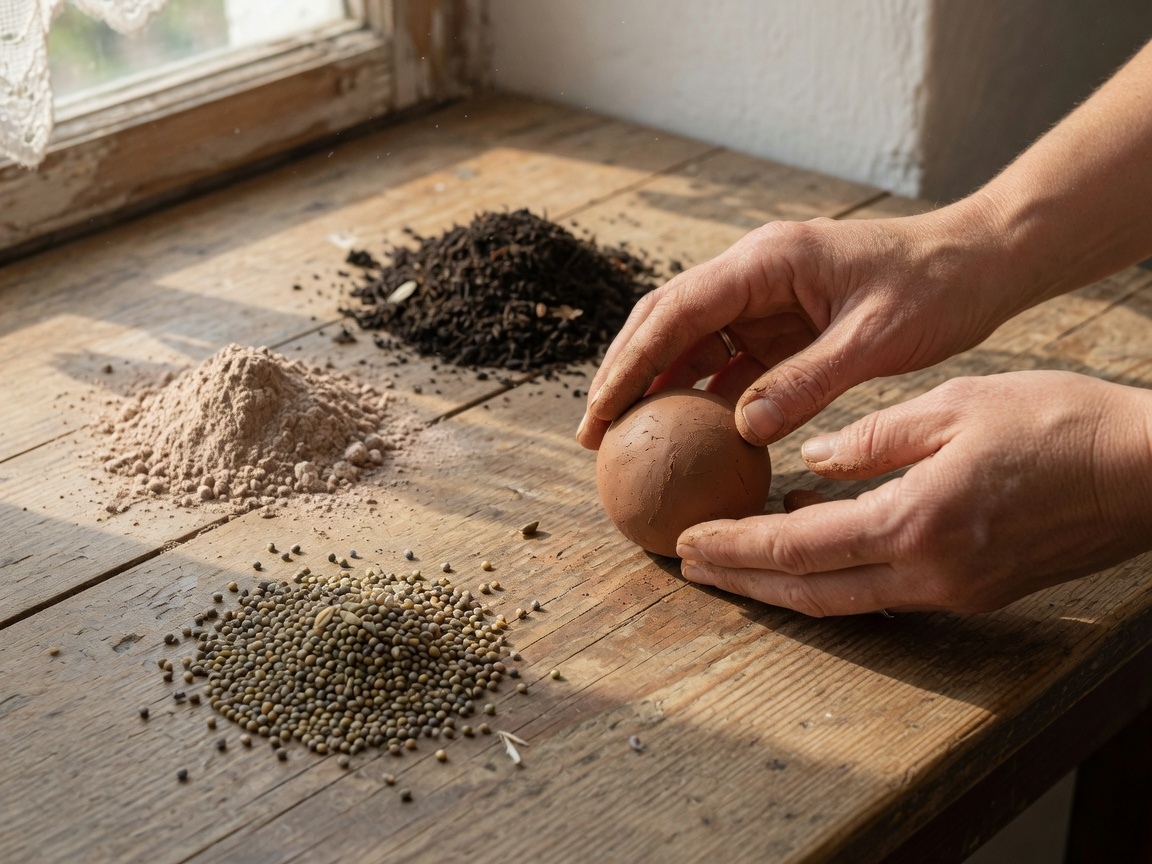
Clay is the classic seed bomb material for good reason. It holds moisture reliably during dry spells, protecting seeds while they wait for rain, and it contains naturally occurring minerals that give seedlings an early nutritional advantage. The best clay varieties for seed bombs are kaolinite, smectite, and bentonite — all available from pottery suppliers or good garden centres. Avoid heavy subsoil dug straight from the garden, as it can carry weed seeds and may compact too tightly around delicate emerging seedlings.
- Gather your materials. You need powdered clay (5 parts), moist potting compost (1 part), native wildflower seeds (1 part), and a small bowl of water to adjust consistency.
- Mix clay and compost. Combine the clay and compost in a large bowl, adding water a little at a time until the mixture holds together when squeezed without cracking or sticking to your hands.
- Add the seeds. Press a small pinch of seeds into the centre of a walnut-sized ball of the mixture, then fold the clay firmly around them so no seeds are exposed at the surface.
- Shape and smooth. Roll each ball between your palms until it is round and compact. A consistent shape helps each bomb land evenly and degrade at a predictable rate once it reaches the soil.
- Dry completely. Place the finished bombs on a wire rack or flat tray in a warm, well-ventilated spot for 24–48 hours. Do not rush the process in an oven — rapid heat cracks the clay and damages the seeds inside.
Once fully dry, clay seed bombs can be stored in a paper bag or cardboard box for up to 12 months without a significant loss of seed viability. Keep them somewhere cool and dry, away from direct sunlight. For more on keeping seeds in peak condition between making and planting, the guide to maximising seed longevity and storage efficiency covers every key variable in practical detail.
How to Make Seed Bombs with Flour (Step-by-Step)
Flour-based seed bombs are arguably the easiest of the three methods. The flour acts as a binder that holds compost and seeds together during handling but dissolves quickly when wet — making these bombs ideal for areas that receive regular rainfall. They go from mixing bowl to garden in as little as four hours, which makes them the go-to choice for spontaneous planting sessions and last-minute wildflower projects.
- Combine your dry ingredients. Mix equal parts of plain flour, good-quality compost, and native wildflower seeds in a bowl. The compost you choose genuinely affects germination rates — understanding the difference between fungal and bacterial compost types can help you pick the most suitable option for wildflower seed bombs.
- Add water gradually. Pour in water one tablespoon at a time, mixing thoroughly between additions, until the mixture forms a sticky, pliable dough. Too much water makes it runny and impossible to shape; too little and it will crumble apart before it reaches the ground.
- Roll into balls. Take golf-ball-sized portions and roll them firmly between your palms until smooth and round. Lightly damp hands prevent the dough from sticking.
- Air-dry on a tray. Arrange the bombs on an egg tray or wire rack and leave them to dry for 4–6 hours, or overnight in humid conditions. The surface should feel firm and completely dry to the touch before you store or use them.
- Use before rain. Flour seed bombs work best thrown just ahead of forecast rainfall. Water softens them almost immediately and presses the seeds into close contact with the soil, where germination can begin within days under the right conditions.
Because flour degrades faster than clay or paper, flour seed bombs have a shorter shelf life — roughly four to six weeks when kept in a cool, dry place. Make them in small batches close to your planned planting date for the best germination outcomes.
How to Make Seed Bombs with Paper (Step-by-Step)
Paper seed bombs are the most environmentally friendly option because they transform waste materials — old newspaper, junk mail, cardboard packaging — into something genuinely useful for the garden. The paper pulp retains moisture around the seeds as germination begins, and using coloured paper creates a cheerful visual variety in the finished bombs. They are particularly popular for gifts, school projects, and craft days with children.
- Prepare your paper pulp. Tear paper into small pieces and soak in warm water for at least 30 minutes, or until completely soft. Blend the soaked paper with just enough water to create a smooth pulp with no large lumps remaining.
- Drain the excess water. Pour the pulp into a fine mesh strainer or a piece of muslin. Swirl and press to remove as much water as possible, then wrap the damp pulp briefly in a clean towel and squeeze again — the drier it is at this stage, the faster the bombs will set.
- Mix in compost and seeds. Tip the drained pulp into a bowl, add a generous handful of compost, and fold in your chosen seeds. The mixture does not need to be precisely measured — aim for a well-combined mass that holds together when pressed firmly.
- Shape the bombs. Take a small portion and press it firmly into a ball. Paper pulp is stickier than clay dough, so lightly wet hands help prevent it from clinging to your palms.
- Dry thoroughly. Place shaped bombs in direct sunlight where possible — UV exposure speeds the drying process considerably. Otherwise, leave them on a rack in a warm room for 2–3 days. The bombs must be completely dry before storage, as any residual moisture will cause mould to develop.
Paper seed bombs made entirely from recycled household materials produce zero packaging waste and give a second life to paper that would otherwise go straight into the recycling bin. As circular garden crafts go, they are about as satisfying as it gets.
Clay, Flour, or Paper — Which Seed Bomb Method Is Right for You?
Each material suits a different gardener and a different situation. The comparison below makes it straightforward to choose the right approach for your project.
| Feature | Clay | Flour | Paper |
|---|---|---|---|
| Difficulty level | Moderate | Easy | Easy–Moderate |
| Drying time | 24–48 hours | 4–6 hours | 2–3 days |
| Shelf life | Up to 12 months | 4–6 weeks | 6–12 months (if fully dry) |
| Moisture retention | Excellent | Moderate | Good |
| Eco credentials | Good | Good | Excellent (uses recycled materials) |
| Best for | Dry climates, long storage | Wet seasons, quick projects | Gifts, craft sessions, schools |
| Approximate cost | Low | Very low | Near zero |
If you live somewhere with warm, dry summers, clay bombs are the most reliable choice — their moisture-retaining properties protect seeds through a long wait for rain. In wetter climates, flour bombs break down almost immediately on contact with wet soil and get seeds embedded fast. Paper bombs are the standout option for craft-based projects and homemade gifts because they look attractive, cost virtually nothing, and use materials most households already have sitting in a recycling pile.

When and Where Should You Throw Seed Bombs?
Timing matters as much as the bomb itself. Early spring and early autumn are the prime windows for most UK wildflower species, as cooler temperatures and natural rainfall create ideal germination conditions. Avoid throwing seed bombs at the height of summer — heat and drought stress seedlings before they have a chance to establish roots deep enough to survive.
As for location, almost anywhere works as long as the bomb can make solid contact with soil. Bare patches in lawns, the base of hedgerows, the edges of garden paths, roadside verges, and community green spaces are all classic targets. One condition to avoid is heavy shade under dense tree canopies — most wildflowers need reasonable light to thrive and will not compete well with established tree roots for water and nutrients.
For a comprehensive look at what happens once you have thrown your bombs — including realistic germination timelines, what to do if nothing appears to happen, and how to manage different environments — this detailed guide to planting seed bombs and common questions covers the full process from throw to flower.
How to Store DIY Seed Bombs to Keep Seeds Viable
Correct storage extends the usable life of your seed bombs considerably. The enemies of a stored seed bomb are moisture, heat, and light — all three degrade seeds and soften the casing before it reaches the garden. Follow these straightforward guidelines to protect your work:
- Store in a paper bag or open cardboard box — never in an airtight plastic container, which traps humidity and encourages mould growth.
- Keep in a cool, dry place such as a garden shed, garage shelf, or pantry. Temperatures between 10 °C and 15 °C are ideal for most wildflower seeds.
- Label each batch with the seed variety and the date of making, so you can work through the oldest bombs first.
- Check stored bombs monthly for soft patches or white fuzz, both of which signal mould. Discard affected bombs promptly before the problem spreads through the batch.
- Clay and paper bombs stored correctly remain viable for up to 12 months. Flour bombs should be used within six weeks of making.
Seed viability decreases gradually over time regardless of storage conditions, so using your bombs within the same growing season they were made is always the best approach. The same principles that govern a drawer full of seed packets — temperature, humidity, light exposure — apply equally to stored seed bombs, and getting those variables right makes the difference between a bomb that works and one that disappoints.
Frequently Asked Questions About DIY Seed Bombs
Can I use any type of seeds in a seed bomb?
You can use most seed types, but native wildflowers and hardy annuals give by far the best results. They are already adapted to local conditions and germinate without fussing. Avoid very large seeds such as sunflowers or runner beans — they are too bulky to embed effectively in a golf-ball-sized bomb and may crack the casing as they swell with moisture before planting.
How long does it take for seed bombs to germinate?
Most wildflower species begin to germinate within two to four weeks of the casing breaking down, provided soil temperature and moisture levels are right. Some species with hard seed coats — wild thyme being a good example — may take several months and actually benefit from a cold winter period before they will sprout. This natural process, called stratification, is perfectly normal and well worth being patient about.
Do seed bombs work on any soil type?
Yes, though results vary. Well-draining soil with a reasonably neutral pH and moderate fertility gives the best outcomes. Very dense, waterlogged ground can suffocate seedlings before they establish. The encouraging news is that native wildflower species actually prefer low-nutrient soils — so you do not need to prepare or enrich a bed before throwing your bombs, and poor garden corners often produce the most spectacular results.
How many seeds should I put in each bomb?
Aim for 5–10 seeds per golf-ball-sized bomb. Too few and you risk none germinating; too many and seedlings compete fiercely with each other while the overcrowded bomb becomes crumbly and fragile to handle. For very fine seeds such as chamomile, a small pinch is genuinely sufficient — these seeds are minute and a little goes a long way inside a compact casing.
Are seed bombs safe to use around children and pets?
Clay, flour, and paper seed bombs are made from completely non-toxic materials, making them one of the safest garden craft activities for children. The only consideration is seed quality — always use untreated seeds intended for gardening rather than treated agricultural seed, which may carry chemical coatings. Store unused bombs out of reach of dogs that like chewing things, as eating large quantities of clay or flour dough is not ideal for them.
Can seed bombs be made in different shapes or designs?
Absolutely. Clay and paper pulp seed bombs respond well to shaping using small silicone moulds, cookie cutters, or simple hand sculpting to create hearts, stars, or flat discs. The shape does not affect germination as long as seeds are fully enclosed and the bomb has a similar surface area to a standard ball. Shaped seed bombs make excellent handmade gifts and are always a hit as party favours or wedding table gifts.
What is the environmental impact of seed bombs?
When made with native wildflower seeds, seed bombs have a genuinely positive environmental impact. They support pollinators, increase local plant diversity, and help restore degraded land without chemical inputs or plastic waste. The key consideration is to avoid invasive non-native species, which can outcompete existing local flora. Stick to native seed mixes sourced from reputable UK suppliers and you will almost certainly be doing more good than harm wherever you choose to throw them.
Your Next Steps: Getting Started with Seed Bombs in 2026
DIY seed bombs are one of the genuinely enjoyable garden projects — simple enough to complete in an afternoon, rewarding enough to keep making season after season. Here is a practical timeline to get you started right away:
- This week: Choose your method — clay for longevity, flour for speed, paper for sustainability — and gather your materials. Most ingredients are already in the kitchen or the garden shed.
- This weekend: Mix your first batch using the step-by-step guide above. A single session produces 20–30 bombs in well under an hour.
- Within a month: Identify three or four target locations — a bare patch in your garden, a local verge, a community green space — and throw your bombs just before the next forecast rain.
- Over the coming season: Watch for germination within two to four weeks for most species, and note which wildflowers establish most successfully in your local conditions so you can refine your seed mix the next time around.
Seed bombs reward a little patience and a willingness to experiment. Whether you are filling a single neglected corner or embarking on a larger rewilding project, the three methods above give you everything you need to begin — no specialist equipment, no digging, and absolutely no prior experience required.