
Anaerobic compost is compost that has run out of oxygen — and the fix is simpler than most gardeners expect. Turn the pile, improve drainage, and add the right organic materials, and you can have a healthy, earthy-smelling pile within 24 to 48 hours.
Some of the links in this article may be affiliate links. If you make a purchase through these links, we may earn a small commission at no extra cost to you. Thank you.
That sulphurous, rotten-egg smell rising from your compost bin is a reliable warning sign that something has gone wrong. Anaerobic decomposition — breakdown that happens without oxygen — is slower, smellier, and far less useful to your garden than healthy aerobic composting. The good news is that it is almost always reversible, often within a single week of consistent attention.
Quick Takeaways
- Anaerobic conditions form when oxygen is cut off through compaction, waterlogging, or a poorly balanced pile.
- Foul smells from anaerobic compost typically clear within 24–48 hours once oxygen is reintroduced through turning.
- Organic amendments — straw, wood chips, sphagnum peat moss — restore airflow and long-term soil fertility.
- Maintaining a carbon-to-nitrogen (C:N) ratio of 25:1 to 30:1 keeps your pile aerobic and efficient.
- Aerobic decomposition proceeds up to three times faster than anaerobic decomposition under equivalent conditions.
What Is Anaerobic Compost and Why Does It Happen?
Composting is essentially managed decomposition. In a healthy pile, oxygen-loving (aerobic) bacteria and fungi break down organic matter quickly, producing heat, carbon dioxide, water, and nutrient-rich humus. When oxygen disappears, a different community of microbes takes over — anaerobic bacteria that operate far more slowly and release hydrogen sulphide and methane as by-products. That is where the unpleasant smell comes from.
Anaerobic conditions can develop for several reasons. A high water table, heavy rainfall falling on poorly drained soil, compaction from livestock or regular foot traffic, and over-enthusiastic watering from the garden hose can all push a compost pile into oxygen deprivation. Understanding the root cause is the first step towards a lasting fix — because if you address only the symptom (the smell) without resolving the cause (the waterlogging or compaction), your pile will turn anaerobic again within weeks.
Aerobic decomposition can proceed up to three times faster than anaerobic decomposition under equivalent conditions. That speed difference matters enormously when you are trying to produce finished compost before the growing season gets underway. A pile that has sat cold, wet, and oxygen-starved for months is a pile that has wasted enormous potential.
Understanding the microbial communities at work inside your pile is key to getting this right. If you want to explore how the balance of fungi and bacteria shapes compost quality, the in-depth guide on choosing between fungal and bacterial compost is a useful companion to the repair steps below.
How Does Anaerobic Compost Harm Your Plants?
Applying anaerobic compost to your garden before it has been properly repaired can do real and lasting damage to plants. The toxic by-products of anaerobic decomposition — particularly hydrogen sulphide and short-chain organic acids — can scorch root tissue, inhibit seed germination, and strip colour from foliage. Plants may look pale, wilted, or stunted even when every other aspect of your garden care appears fine.
Soil fertility also suffers significantly. In a healthy aerobic pile, microbes cycle nutrients into plant-available forms. In an anaerobic pile, those same nutrients become locked up or leached away entirely. Nitrogen is especially vulnerable: instead of being stabilised into useful compounds, it escapes as ammonia gas — which explains the sharp, acrid edge to the smell from a very wet pile. Phosphorus availability also decreases under anaerobic conditions, reducing the energy available to developing root systems.
If you have already added poorly finished compost to a bed and are seeing weak or stunted growth as a result, it is worth addressing both the compost pile and the affected soil simultaneously. There is practical guidance on recovering stunted plants and seedlings that pairs well with the repair steps covered throughout this guide.
What Are the Warning Signs of Anaerobic Compost?
Catching anaerobic compost early makes repair much easier and faster. Here are the most reliable warning signs to look for when checking your pile:
- Rotten-egg or sulphurous smell — the most obvious indicator; produced by hydrogen sulphide released by anaerobic bacteria.
- Sharp ammonia smell — a sign of nitrogen loss and likely excess wet, nitrogen-rich “green” materials.
- Slimy, compacted texture — the pile has matted together, blocking airflow almost entirely.
- No visible heat — a healthy active pile feels warm to the touch; a cold, wet pile has almost certainly gone anaerobic.
- Dark, waterlogged appearance — healthy compost is crumbly and earthy-brown, not black and soggy.
- Very slow or no decomposition — if your pile looks much the same month after month, aerobic activity has stalled.
If you spot two or more of these signs together, it is time to act. The sooner you intervene, the less material you lose to poor decomposition and nutrient loss — and the sooner you will have finished compost ready to enrich your garden beds.
How Do You Aerate Anaerobic Compost Effectively?
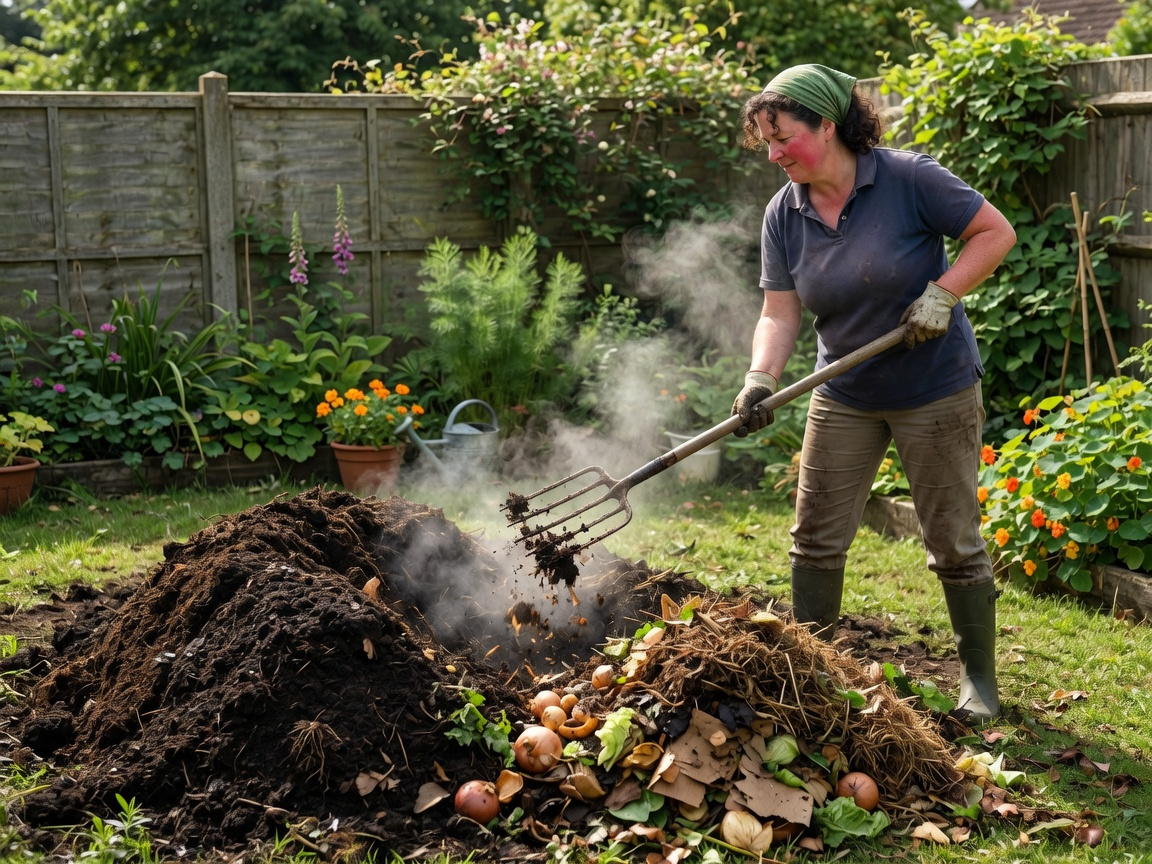
Aeration is the single most powerful tool for repairing anaerobic compost. Introducing oxygen kills off the anaerobic microbes responsible for the smell and allows aerobic bacteria to re-establish quickly. In most cases, one thorough turning is enough to begin the recovery — and a noticeable improvement in smell happens within a day.
- Use a compost fork or aerator tool to break up the pile from the outside in. Simply poking holes in the centre is not sufficient — physically move and redistribute material throughout the pile.
- Move outer material to the centre and vice versa. The outer layers tend to be drier and richer in oxygen; mixing them in accelerates recovery across the whole pile.
- Break up all compacted clumps by hand or with the fork. Dense pockets are where anaerobic conditions are most severe.
- Add dry, bulky material at the same time — straw, shredded cardboard, or wood chips — to create air pockets and keep the pile loose after turning.
- Repeat every two to three days until the pile returns to an earthy smell and a crumbly, moist (not wet) texture.
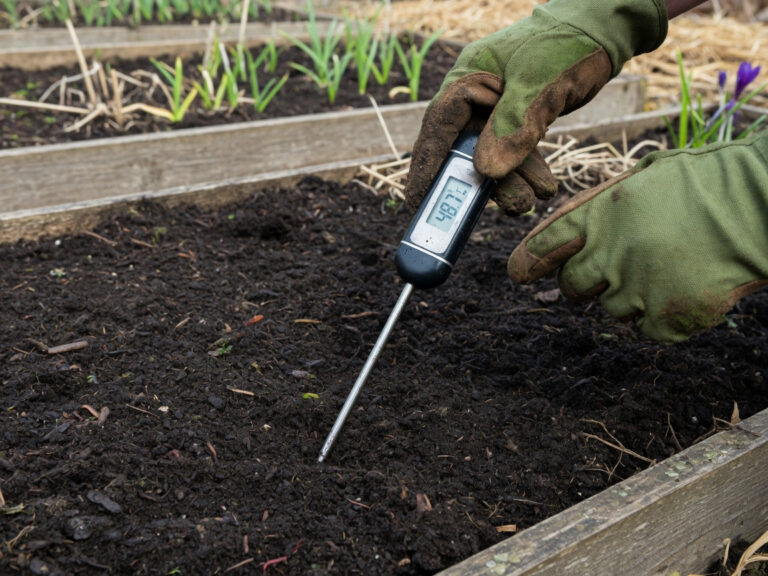
Monitoring the internal temperature of your pile tells you exactly how well aeration is working. A recovering pile should start to warm up as aerobic bacterial activity increases. A quality compost thermometer removes the guesswork entirely — if you are not already using one, the guide to choosing the right thermometer for soil and compost will help you pick the best option for your setup and budget.
What Role Does Drainage Play in Fixing Anaerobic Conditions?
Waterlogging is one of the most common causes of anaerobic compost, and no amount of turning will fix the problem permanently if excess moisture keeps returning. Good drainage is the structural fix that locks in your aeration gains over time.
If your compost bin sits directly on bare soil, check whether the base drains freely. Standing water beneath the pile wicks upwards and keeps the lower layers permanently saturated. Raising the bin slightly on wooden pallets or bricks improves airflow from below and allows excess water to escape. If your garden has a naturally high water table, positioning the bin on a slight slope and directing surface runoff away from it makes a significant difference to long-term moisture balance.
For garden beds that have themselves developed anaerobic soil conditions — not just the compost bin, but the ground you are growing in — drainage swales, raised-bed construction, and soil mounding are all effective long-term structural solutions. These physical interventions redirect water flow and prevent the oxygen-depleted, waterlogged conditions that create anaerobic soils in the first place. In wetter months, covering your pile with a breathable membrane or fitted lid keeps out driving rain while still allowing gas exchange.
Which Organic Soil Amendments Work Best for Anaerobic Compost?
Organic amendments are the workhorses of compost repair. They do three jobs simultaneously: improve physical structure, feed beneficial microbes, and restore soil fertility. Incorporating organic matter improves a compost’s aeration and water management — the extent of the benefit depends on the amendment used and the starting condition of the pile.
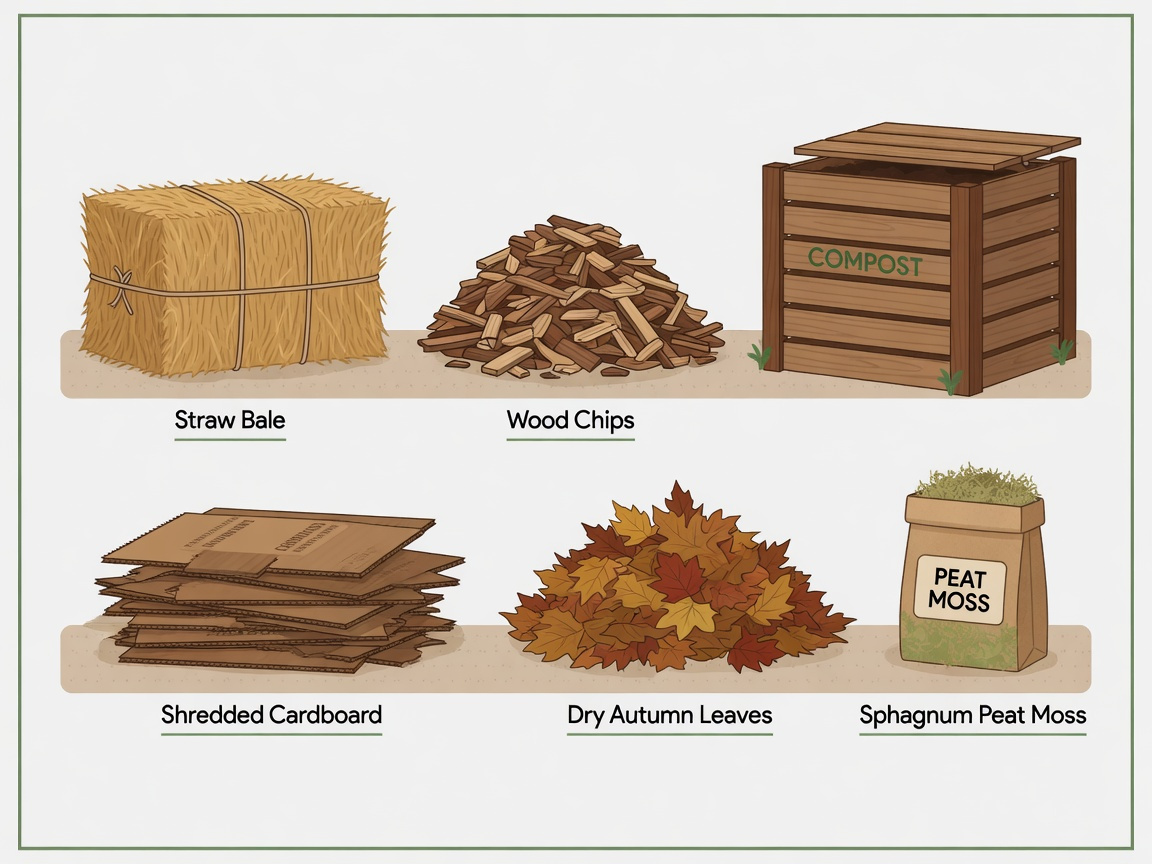
Here is how the most readily available amendments compare in practical use:
| Amendment | Primary Benefit | Best Used For | Practical Notes |
|---|---|---|---|
| Sphagnum peat moss | Improves aeration and moisture balance | Dense, compacted piles | Slightly acidic; use sparingly in alkaline soils |
| Wood chips | Creates air pockets, adds carbon | Wet, slimy piles | Coarse chips last longer than fine ones |
| Straw | Opens pile structure, balances nitrogen | Nitrogen-heavy green piles | Use straw, not hay — hay carries weed seeds |
| Shredded cardboard | Adds carbon, absorbs excess moisture | Any anaerobic pile | Remove tape and staples first |
| Dry autumn leaves | Carbon source, improves texture | Balancing wet kitchen waste | Shred before adding for faster breakdown |
Mix at least two or three of these amendments into the pile when turning. Variety is important — a single amendment rarely addresses all the structural and nutritional gaps in a struggling pile. Once your compost is repaired and finished, knowing how to use it versus bought potting mix will save you money and improve results; the breakdown in this guide on potting soil and compost differences is a useful reference for that next step.
How Do You Balance the Carbon-to-Nitrogen Ratio?
The carbon-to-nitrogen (C:N) ratio is the most important chemical balance in any compost pile, and an imbalanced ratio is one of the most common reasons anaerobic conditions develop in the first place. The ideal C:N ratio for active, aerobic composting sits between 25:1 and 30:1. Too much nitrogen — a ratio below 20:1 — and the pile becomes wet, slimy, and foul. Too much carbon — above 35:1 — and decomposition slows to a crawl.
In practice, this means balancing your “greens” (nitrogen-rich materials: kitchen scraps, fresh grass clippings, coffee grounds) with your “browns” (carbon-rich materials: dry leaves, straw, cardboard, wood chips). A pile that has gone anaerobic is almost always too heavy on greens — more wet, nitrogen-rich material than the available carbon can absorb and stabilise.
To correct an imbalanced C:N ratio and prevent a return to anaerobic conditions:
- Add two to three parts brown material by volume for every one part green material going forward.
- If the pile is already very wet, immediately mix in dry shredded cardboard or wood chips to absorb excess moisture.
- Spread fresh grass clippings in thin layers and always alternate them with a layer of dry browns rather than dumping them in bulk.
- Never add cooked food, meat, or dairy to a home compost pile — these materials tip the C:N ratio dramatically and attract pests.
Can Microbial Inoculants and Biochar Speed Up Recovery?
Beyond turning and amendments, two additional interventions can accelerate the recovery of a severely depleted anaerobic pile: microbial inoculants and biochar. Neither is strictly necessary for basic repair, but both can meaningfully shorten recovery time when a pile has been neglected for months.
Microbial inoculants are concentrated preparations of beneficial bacteria and fungi — the very organisms that drive healthy aerobic decomposition. Adding a commercially available inoculant to a newly turned pile can help re-establish the right microbial community faster than waiting for native populations to recover naturally. Garden centres and online suppliers stock a range of products formulated specifically for compost activation, and they may help shorten the initial recovery period in cold or severely depleted conditions.
Biochar — a form of charcoal produced from organic material at high temperatures — improves compost in a distinct way. Its highly porous structure creates millions of tiny microhabitats for beneficial microbes, dramatically increasing the surface area available for microbial colonisation. Biochar can also help reduce nitrogen losses from the pile during the recovery period, preserving the very nutrients that aerobic bacteria need to thrive. It also helps with moisture regulation, absorbing excess water in a wet pile and releasing it gradually as conditions stabilise.
Step-by-Step: How to Repair Anaerobic Compost in One to Two Weeks
Here is the complete repair process as a practical, day-by-day sequence you can follow from the moment you identify an anaerobic pile:
- Day 1 — Assess the pile. Check the smell, texture, internal temperature, and moisture level. Identify the most likely cause: too wet, too compacted, or too nitrogen-heavy.
- Day 1 — Turn thoroughly. Use a compost fork to fully aerate the pile, breaking up all clumps and moving outer material to the centre.
- Day 1 — Add brown amendments. Mix in straw, wood chips, shredded cardboard, or dry leaves. The pile should feel noticeably looser after turning.
- Day 1–2 — Address drainage. Ensure the base of the bin drains freely. Raise the bin on pallets if needed and redirect any surface water running towards the pile.
- Day 2 — Monitor the smell. In most cases the worst of the odour will have faded. If not, turn again and add more brown material.
- Day 3 — Check temperature. Insert a compost thermometer into the pile centre. A recovering pile should feel noticeably warmer than the surrounding air within 48–72 hours of the first turning.
- Days 4–7 — Continue turning every 2–3 days. Keep the pile moist but not wet. Squeeze a handful: it should feel like a well wrung-out sponge — damp, not dripping.
- Day 7–14 — Evaluate recovery. A repaired pile smells earthy (not sulphurous), feels warm to the touch, and shows visible decomposition activity — white fungal threads, worm presence, and clearly broken-down material.
- Ongoing — Maintain the balance. Keep adding browns with every batch of greens. Turn at least once a week during active composting seasons.
One important note on managing heat during recovery: a pile coming back from anaerobic conditions can sometimes overheat sharply as aerobic bacterial activity surges. This is generally a positive sign, but sustained temperatures above 70°C (158°F) can damage beneficial organisms. Keep an eye on your thermometer during the first week of recovery. It is also worth knowing that in rare cases, very large, dry compost heaps can pose a fire risk — the dedicated guide on preventing compost fires covers this topic clearly for anyone managing a larger heap.
How Long Does It Take to Repair Anaerobic Compost?
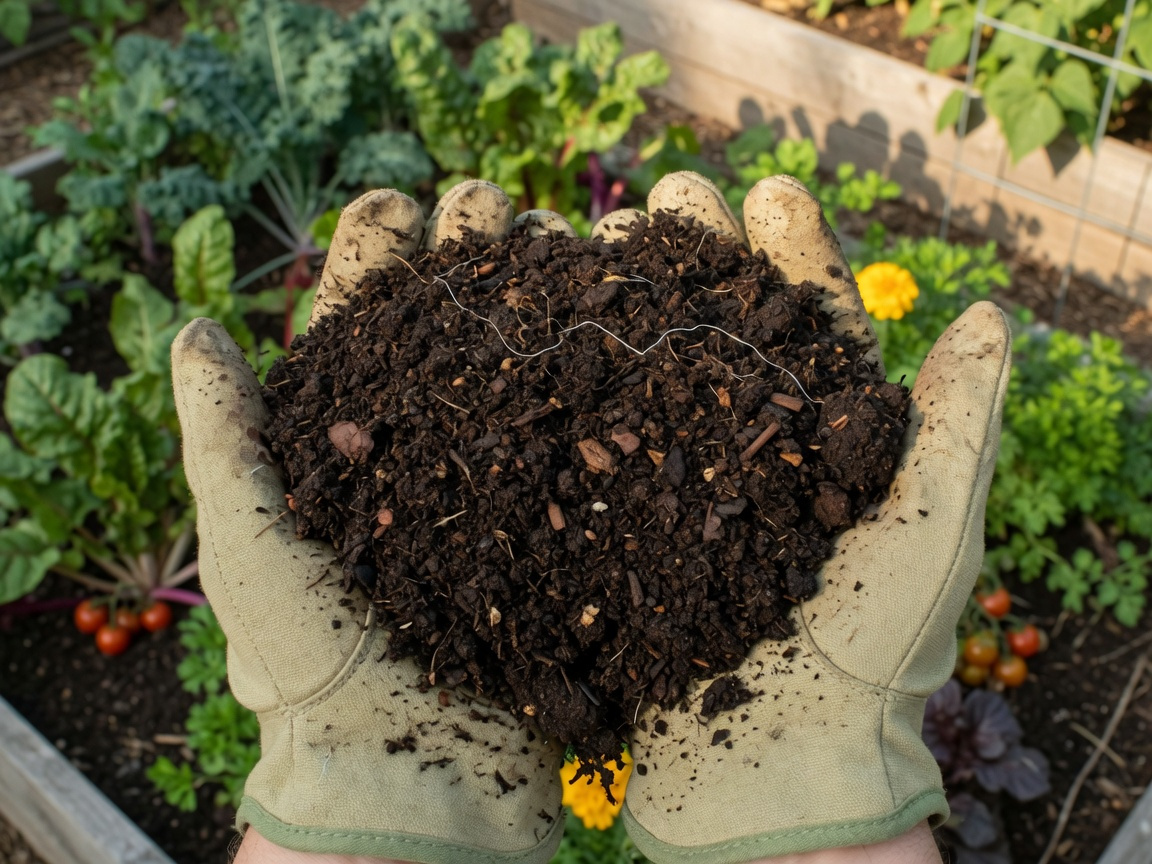
In most cases, the smell disappears within 24 to 48 hours of the first thorough turning — that alone is a major improvement. Full recovery, meaning a pile that is actively and efficiently breaking down organic matter, typically takes one to two weeks with consistent attention and regular turning every two to three days.
Severe cases — a pile that has been neglected for months, or one sitting in a chronically waterlogged location — may take three to four weeks to fully stabilise. Factors that speed recovery include warm ambient temperatures (aerobic bacteria are most active between 15°C and 65°C), frequent turning, and the addition of microbial inoculants or biochar as described above. Cold weather slows the process but does not stop it entirely — a correctly turned and amended pile will recover even through autumn and early winter, just more slowly.
Do not be tempted to use partially repaired compost on sensitive seedlings or young transplants. Wait until the pile has a consistently earthy smell, a crumbly texture, and shows no further heat surge before applying it to the garden. Half-finished compost can still contain phytotoxic compounds that inhibit germination and root development.
Frequently Asked Questions
What does anaerobic compost smell like?
Anaerobic compost most commonly smells of rotten eggs (hydrogen sulphide) or sharp ammonia. The rotten-egg smell comes from a wet, compacted pile where sulphur-reducing bacteria are active. The ammonia smell indicates a pile that is too heavy on nitrogen-rich green materials. Both smells should clear within 24–48 hours of thorough aeration and the addition of carbon-rich amendments.
Is anaerobic compost harmful to plants?
Yes — applying incompletely broken-down anaerobic compost can genuinely harm plants. The organic acids and toxic gases produced by anaerobic bacteria can scorch roots, inhibit germination, and cause yellowing or wilting of foliage. Always allow compost to fully recover and complete the decomposition process before adding it to beds or containers.
Can I add anaerobic compost directly to my garden soil?
Not before repairing it. Once fully aerated, rebalanced, and allowed to complete decomposition — typically two to four weeks after beginning the repair process — it can safely be used as a soil amendment. At that point it will have recovered its nutrient profile and will genuinely benefit your soil structure and plant health rather than harm them.
How do I prevent my compost from going anaerobic again?
Prevention is straightforward once you know the triggers. Turn the pile at least once a week during active composting. Always balance greens with browns at roughly a 1:2 ratio by volume. Ensure good drainage beneath and around the bin. Avoid adding large batches of wet material all at once — spread them in thin layers and alternate with dry material. In wet weather, cover the pile with a breathable membrane or fitted lid to reduce waterlogging without blocking airflow entirely.
Are there alternative methods for fixing anaerobic compost besides turning?
Yes. Microbial inoculants introduce concentrated populations of aerobic bacteria and fungi that re-establish healthy decomposition faster than relying on native populations alone. Biochar improves pile structure and provides microhabitats for beneficial organisms. Some gardeners also use compost activators — dried blood, fish meal, or seaweed meal — to provide the nitrogen that aerobic bacteria need during the recovery period. Aeration and drainage improvements remain the essential foundation, but these extras help in stubborn or severe cases.
Does turning the compost really get rid of the smell that quickly?
In most cases, yes. The rotten-egg smell from hydrogen sulphide is produced by anaerobic bacteria that die rapidly when exposed to oxygen. A single thorough turning that breaks up compacted material and introduces fresh air is usually enough to produce a clearly noticeable improvement within a day. If the smell persists beyond 48 hours, the pile likely needs more brown material to absorb excess moisture, or a drainage issue at the base of the bin has not yet been resolved.
What temperature should a healthy compost pile reach?
A healthy, actively decomposing aerobic pile should reach between 55°C and 65°C (131–149°F) at its centre during peak activity. This temperature range is hot enough to kill most weed seeds and pathogens without harming beneficial organisms. A pile recovering from anaerobic conditions may take a few days to reach these temperatures after the first turning — that gradual warming is a positive confirmation that aerobic bacteria have successfully re-established themselves.
Start Turning That Pile Today
Anaerobic compost is a common and very fixable problem. The core steps — aerating the pile, improving drainage, rebalancing the carbon-to-nitrogen ratio, and adding the right organic amendments — are all well within reach of any home gardener, and the results arrive quickly. Most piles smell noticeably better within a day, show clear signs of aerobic recovery within a week, and are fully ready to use within two to four weeks.
The most important thing is not to ignore the warning signs. A smelly, sluggish pile is telling you something has gone wrong — and the longer you leave it, the more nutrients escape and the more material is wasted. Take an hour today to assess your pile, give it a thorough turning, and add a good mix of brown amendments. You will likely be surprised by how fast it turns around.
Happy composting — your plants will absolutely thank you for it.