Soil cultivation practices that nourish and support beneficial microbes are vital for achieving sustainable agricultural systems. These microscopic organisms play an integral role in maintaining soil health and fertility, and their growth and activity can be enhanced through various strategies.
Some of the links in this article may be affiliate links. If you make a purchase through these links, we may earn a small commission at no extra cost to you. Thank you.
Avoiding the use of harmful chemicals, such as pesticides, herbicides, and fungicides, is crucial, as these substances can be detrimental to the well-being of beneficial soil microorganisms. Furthermore, minimizing unnecessary tilling is essential, as it disrupts the natural structure of healthy soil and compromises the thriving microbial community.
Implementing practices like mulching and cover cropping can prevent soil drying and preserve microbial activity. Additionally, providing adequate nutrition to these microbes through the addition of organic matter and sugar can support their population and promote their beneficial functions.
Introducing nitrogen-fixing bacteria and using soil inoculants can further enhance soil health, particularly in depleted soils. By maintaining optimal pH levels and fostering biodiversity above and below ground, a resilient and balanced soil ecosystem can be established.
Adopting these holistic approaches ensures long-term sustainability in soil cultivation practices.
Why Avoid Pesticides?
Avoiding the use of pesticides, herbicides, and fungicides is crucial for preserving soil microorganisms. These chemicals have been found to be highly toxic and can harm beneficial soil microorganisms in more than 70% of cases, leading to soil biodiversity loss.
The importance of biodiversity in soil ecosystems cannot be overstated. Biodiversity above and below ground supports a thriving microbial community. Planting a variety of plant species encourages diverse microbial populations, while underground biodiversity, including diverse root systems, enhances microbial interactions.
Sustainable gardening practices play a significant role in promoting beneficial microbes. Minimizing the use of synthetic fertilizers and rotating crops can prevent the buildup of pests and diseases that harm soil microbes. Overwatering should also be avoided as it disrupts soil structure and oxygen availability.
Implementing sustainable gardening techniques is essential for the long-term health of beneficial microbes and the overall resilience of soil ecosystems.
The Impact of Tilling
Tilling, a common agricultural practice, has been shown to disrupt the natural structure of soil, potentially leading to a decline in microbial diversity and activity. For example, a study conducted in Iowa found that repeated tilling of soil resulted in a decrease in earthworm populations, which play a crucial role in soil health and nutrient cycling.
Tilling breaks up the soil structure, compacting it instead of loosening it, which can negatively impact the habitat of beneficial microbes. This compaction reduces the number of pores and tunnels in the soil, limiting the availability of oxygen that is essential for microbial growth and activity. Additionally, tilling can disrupt the intricate network of fungal hyphae, which form symbiotic relationships with plant roots and aid in nutrient uptake.
Exploring alternative methods to tilling, such as no-till farming or reduced tillage, can help preserve soil structure and promote the growth of beneficial microbes.
Using Mulch and Cover Crops
Using mulch and planting cover crops can help maintain soil moisture and prevent drying, creating a favorable environment for microbial activity and growth.
Mulching acts as a protective layer, retaining moisture in the soil and preventing it from drying out. This is crucial for the growth and survival of beneficial microbes, as dry soil can negatively impact their activity.
Cover crops, on the other hand, provide shade and reduce evaporation, keeping the soil moist. They also contribute to soil health by adding organic matter when they are incorporated into the soil.
Additionally, cover crops help prevent erosion and suppress weeds, further benefiting the overall health of the soil.
Incorporating mulch and cover crops into sustainable agriculture practices can greatly enhance soil health and support the thriving microbial community.
Benefits of mulching for soil health:
- Retains moisture in the soil
- Prevents soil from drying out
- Adds organic matter to the soil
Importance of cover crops in sustainable agriculture:
- Provides shade and reduces evaporation
- Prevents erosion and suppresses weeds
- Adds organic matter to the soil
Feeding Microbes
Feeding sugar to the microbial community is like providing fuel for a thriving engine, promoting their growth and activity in the soil.
Microbes in compost play a crucial role in the decomposition process, breaking down organic matter and releasing nutrients that are essential for plant growth.
The addition of sugar, such as molasses, provides a source of energy for microbes, allowing them to thrive and carry out their important functions.
Moreover, feeding microbes with compost not only provides them with nutrients but also helps support their population and activity in the soil.
It is important to note that microbial diversity is essential for a healthy soil ecosystem.
Different types of microbes have unique roles and functions, and a diverse microbial community enhances nutrient cycling, disease suppression, and overall soil fertility.
Therefore, providing food for microbes, such as sugar and compost, is crucial for maintaining a thriving and diverse microbial population in the soil.
Introducing Nitrogen-Fixing Bacteria
Introducing nitrogen-fixing bacteria can enhance soil fertility and promote plant growth.
Nitrogen-fixing bacteria have the unique ability to convert atmospheric nitrogen into a form that plants can utilize. This process, known as nitrogen fixation, is crucial for plant growth as nitrogen is an essential nutrient.
Legumes, such as beans and peas, have a symbiotic relationship with nitrogen-fixing bacteria. These bacteria colonize the root nodules of legumes and provide them with a steady supply of nitrogen. In return, legumes supply the bacteria with carbohydrates and other necessary nutrients.
By growing legumes in the soil, farmers can introduce nitrogen-fixing bacteria and improve soil fertility. This allows for better nutrient availability to plants, leading to increased growth and productivity.
Overall, introducing nitrogen-fixing bacteria through legumes is an effective strategy for enhancing soil fertility and promoting sustainable agriculture.
Using Soil Inoculants
Soil inoculants, such as microbial preparations, can introduce a diverse population of microorganisms to enhance soil activity and restore microbial diversity. These beneficial microorganisms can improve nutrient availability, nitrogen fixation, and disease resistance in plants. Here are four key benefits and applications of soil inoculants:
-
Increased nutrient availability: Soil inoculants contain specific strains of bacteria and fungi that can break down organic matter and release nutrients in a plant-available form. This improves nutrient cycling and helps plants access essential elements.
-
Nitrogen fixation: Some soil inoculants contain nitrogen-fixing bacteria, such as rhizobia, which form a symbiotic relationship with leguminous plants. These bacteria convert atmospheric nitrogen into a form that plants can utilize, reducing the need for synthetic nitrogen fertilizers.
-
Disease suppression: Certain soil inoculants contain beneficial microorganisms that can suppress soil-borne pathogens. They compete for resources, produce antimicrobial compounds, and stimulate the plant’s immune system, reducing the incidence of diseases.
-
Soil restoration: Soil inoculants can be used to restore degraded or sterile soils. They introduce a diverse microbial community, including beneficial bacteria and fungi, that can improve soil structure, nutrient cycling, and overall soil health.
Choosing the right soil inoculant involves considering the specific needs of your plants, the soil conditions, and the desired outcomes. It is important to select a product with compatible microorganisms and ensure proper application techniques to maximize the benefits.
Maintaining Optimal pH
Moving on from the use of soil inoculants, another important aspect of nurturing beneficial microbes in sustainable soil cultivation is maintaining optimal pH levels.
Soil pH plays a crucial role in influencing microbial growth and activity. Different microbial species thrive in specific pH ranges, and therefore, maintaining the right pH is essential for supporting a diverse microbial community.
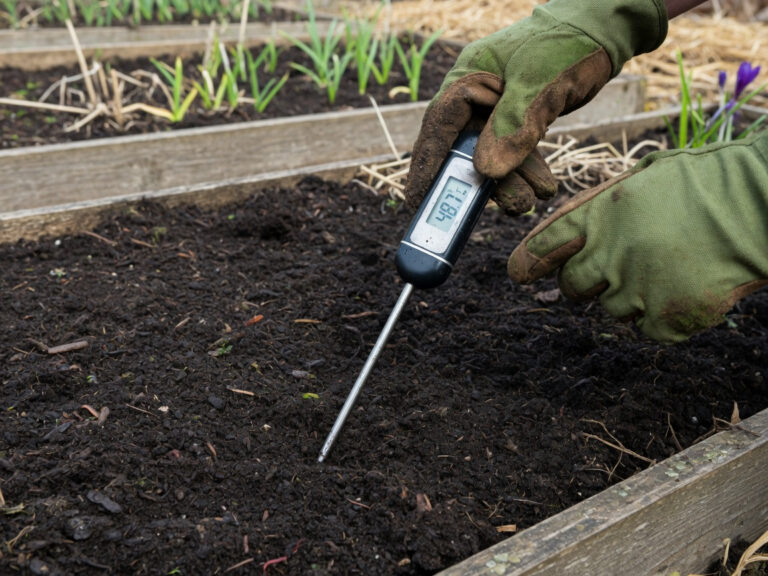
pH testing methods, such as using pH meters or soil testing kits, can help determine the current pH levels of the soil. Based on the results, adjustments can be made by adding lime to raise the pH in acidic soils or sulfur to lower the pH in alkaline soils.
By ensuring the optimal pH range, the composition and abundance of the microbial community can be managed and maintained, promoting a healthy and productive soil ecosystem.
Adding Organic Matter
Adding organic matter to the soil is a fundamental practice in fostering a nutrient-rich environment for microbial decomposition and promoting overall soil health.
Composting, which involves the decomposition of organic materials such as plant waste and kitchen scraps, provides a valuable source of organic matter for soil. The benefits of composting are numerous.
Firstly, it enhances soil structure and improves moisture retention, creating favorable conditions for microbial activity.
Secondly, composting releases essential nutrients that are vital for plant growth, as microbes decompose the organic matter and convert it into forms that plants can readily absorb.
Additionally, composting supports soil biodiversity by providing a diverse array of organic inputs for microbial decomposition. This, in turn, encourages the growth of a thriving microbial community, contributing to the overall health and fertility of the soil.
Frequently Asked Questions
How can pesticides, herbicides, and fungicides harm beneficial soil microorganisms?
Pesticides, herbicides, and fungicides have a detrimental impact on beneficial soil microorganisms. Over 70% of studies have shown that these chemicals harm beneficial organisms, leading to soil biodiversity loss and disrupting the soil ecosystem.
What are the negative effects of tilling on beneficial microbes in the soil?
Tilling has negative effects on beneficial microbes in the soil. It disrupts the natural structure of healthy soil, compacts it, and reduces the population and diversity of earthworms. This can harm microbial activity and growth, impacting the overall soil ecosystem.
How do mulch and cover crops help in preventing soil drying and maintaining soil moisture?
Mulch benefits soil by acting as a protective layer, retaining moisture and preventing soil from drying out. Cover crops provide shade and reduce evaporation, helping to maintain soil moisture. Both practices contribute to the prevention of soil drying and the maintenance of soil moisture.
Why is it important to provide food for microbes in the soil?
Providing food for microbes in the soil is important for promoting microbial growth and enhancing soil fertility. Microbes require a source of energy, such as sugar or compost, to thrive and carry out essential functions like nutrient recycling and decomposition.
What are the benefits of introducing nitrogen-fixing bacteria to the soil?
Introducing nitrogen-fixing bacteria to the soil through legumes enhances soil fertility by fixing atmospheric nitrogen into a usable form for plants. This promotes plant growth, increases nutrient availability, and improves overall soil health.