

If you are looking for a way to enhance your gardening experience and promote sustainability at the same time then you really should consider using coconut coir.
Some of the links in this article may be affiliate links. If you make a purchase through these links, we may earn a small commission at no extra cost to you. Thank you.
This versatile and eco-friendly material is quickly gaining popularity among gardeners for its numerous benefits.

In this article, we will explore how you can use coconut coir in your gardening practices to improve plant health, save time, and contribute to a greener environment.
When it comes to using coconut coir in gardening, the possibilities are endless. One of the key advantages of coconut coir is its excellent water retention capabilities. It has the ability to hold moisture while still allowing proper drainage, creating an ideal environment for plants to thrive.
By incorporating coconut coir into your garden beds or potting mix, you can ensure that your plants receive consistent hydration without the risk of overwatering or underwatering. Additionally, coconut coir is known for its natural resistance to pests and diseases, providing an extra layer of protection for your precious greens.
Not only does coconut coir benefit your plants, but it also makes gardening more efficient and sustainable. Unlike traditional peat moss or other soil amendments, which take centuries to form naturally, coconut coir is a byproduct of the coconut industry and is readily available in abundance. By utilizing this renewable resource instead of depleting non-renewable ones like peat moss, you are making a small yet impactful contribution towards preserving our planet’s resources. Furthermore, due to its lightweight nature and easy handling characteristics, working with coconut coir saves you valuable time and energy during the planting and transplanting processes.
So whether you’re a seasoned gardener looking for new ways to improve plant health or a beginner wanting to make sustainable choices from the start, incorporating coconut coir into your gardening practices is certainly worth considering. In the following sections of this article, we will delve deeper into practical tips on how to use coconut coir effectively in different aspects of gardening. Get ready to take your gardening game to the next level while also serving the greater good of our planet!
Benefits of Using Coconut Coir in Gardening
Using coconut coir in gardening not only provides a sustainable and eco-friendly alternative to traditional soil amendments, but it also enhances water retention and promotes healthy root development. When it comes to improving plant growth, coconut coir is an excellent choice. It has a high water-holding capacity, which means that it can retain moisture for longer periods of time compared to other soil amendments. This is especially beneficial during hot summer months or in dry climates where regular watering may be a challenge. By using coconut coir, you can ensure that your plants have access to the necessary moisture they need for optimal growth.
Not only does coconut coir improve water retention, but it also promotes healthy root development. The fibrous structure of coconut coir allows roots to penetrate easily and establish a strong foundation for plants. This leads to better nutrient absorption and overall plant health. Additionally, coconut coir has natural antifungal properties that help prevent diseases caused by soil-borne pathogens. By incorporating this eco-friendly gardening practice into your routine, you are providing the best possible environment for your plants to thrive.
Incorporating coconut coir into your gardening routine is not only beneficial for your plants, but it is also a great way to contribute to eco-friendly gardening practices. Coconut coir is a renewable resource that comes from the husk of coconuts, making it an environmentally friendly option compared to peat moss or other soil amendments derived from non-renewable sources. Using coconut coir reduces waste as well since it repurposes what would otherwise be discarded material. By choosing coconut coir as a soil amendment, you are actively participating in sustainable gardening practices and helping protect our planet’s resources.
Using coconut coir in gardening offers numerous benefits such as improved plant growth and eco-friendly practices. Its ability to enhance water retention ensures that your plants receive adequate moisture even during challenging conditions. Moreover, its fibrous structure promotes healthy root development and prevents soil-borne diseases. By incorporating coconut coir into your gardening routine, you not only provide the best possible environment for your plants but also contribute to sustainable gardening practices by using renewable resources.
So why wait? Start using coconut coir in your garden today and reap the rewards of healthier and more vibrant plants.
Practical Tips for Incorporating Coconut Coir in Your Garden
When incorporating coconut coir in your garden, it is important to choose the right type of coconut coir that suits your specific gardening needs. Consider factors such as moisture retention and nutrient content when making your selection.
Before using coconut coir, ensure that it is properly prepared and conditioned by rinsing it with water and allowing it to soak.
This will remove any excess salt or impurities and make it ready for use in your garden. Whether you choose to mix coconut coir with soil or use it as a soilless medium, be sure to follow the recommended ratios for optimal plant growth and health.
Choosing the Right Type of Coconut Coir
To ensure success in your garden, make sure you pick the appropriate type of coconut coir. There are different types of coconut coir available, each with its own advantages. The most common types include compressed bricks or blocks, loose coco peat, and coco chips.
Compressed bricks or blocks are a popular choice as they are easy to handle and store. They can be rehydrated by adding water, which expands the coir to its original volume. These bricks provide excellent water retention and aeration properties, making them ideal for seed starting and container gardening. Loose coco peat is another option that is versatile and lightweight. It has great moisture retention capabilities while still allowing for good drainage. This type of coir is often used as an additive to potting mixes or as a medium for hydroponic systems. Coco chips, on the other hand, have larger-sized particles that provide better airflow to plant roots. They promote healthy root development and prevent compaction in soil mixtures. Coco chips are commonly used in orchid cultivation or as mulch for outdoor plants.
By choosing the right type of coconut coir for your gardening needs, you can enhance your plants’ growth and overall health. Consider the specific advantages offered by each coir type based on your requirements and preferences. Whether it’s compressed bricks for starting seeds or loose coco peat for improving drainage in pots, incorporating coconut coir into your garden will surely benefit your plants’ thriving journey!
Preparing and Conditioning Coconut Coir
Get ready to prepare and condition your coconut coir for optimal plant growth in your garden! Properly preparing and conditioning coconut coir is essential to ensure that it provides the right environment for your plants. One important aspect to consider is moisture retention.
To prepare coconut coir, start by soaking it in water for at least 30 minutes. This will help rehydrate the fibers and loosen any compacted material. After soaking, drain the excess water from the coir and break up any clumps with your hands or a garden fork. Fluffing up the coir will create air pockets, allowing better drainage and aeration for the roots of your plants.
Next, you can further enhance the moisture retention properties of coconut coir by adding organic matter such as compost or well-rotted manure. This will not only provide additional nutrients for your plants but also improve water retention even more. Mix in about a quarter cup of organic matter per gallon of coconut coir.
Lastly, before using the prepared coconut coir in your garden, make sure it is damp but not dripping wet. Squeeze a handful of coir tightly – if only a few drops come out, then it’s at the right moisture level. If it’s too dry, spray some water until it reaches the desired consistency.
Incorporating these preparation techniques and ensuring proper moisture retention will allow your coconut coir to create an ideal growing environment for your plants. By taking these steps, you are setting yourself up for success in gardening with this versatile and sustainable medium.
| Preparing Techniques | Moisture Retention |
|---|---|
| Soaking | Enhanced Water Holding Capacity |
| Fluffing | Improved Drainage |
| Adding Organic Matter | Better Nutrient Availability |
Mixing Coconut Coir with Soil or Using it as a Soilless Medium
Mixing coconut coir with soil or opting for a soilless medium adds a unique touch to your plant growth, giving it an extra boost of nutrients and improved water retention. Coconut coir can be used as a hydroponic growing medium, allowing you to grow plants without the use of traditional soil. When using coconut coir as a hydroponic medium, it is important to experiment with different ratios of coconut coir and soil to find the perfect balance for your plants.
To mix coconut coir with soil, start by soaking the coir in water until it expands and becomes fluffy. Then, mix equal parts of coconut coir and potting soil together thoroughly. This mixture can be used as a growing medium for potted plants or added directly into garden beds. The combination of coconut coir and soil provides excellent water retention while still allowing for proper drainage.
If you prefer a soilless growing method, you can use pure coconut coir as a hydroponic medium. Simply place the expanded coconut coir into pots or containers and use it as you would regular potting soil. Coconut coir has natural properties that help retain moisture, making it an ideal choice for hydroponics.
Experimenting with different ratios of coconut coir and soil is key to finding the right balance for your plants’ needs. Some plants may prefer more coconut coir for increased moisture retention, while others may thrive with less. By adjusting the ratio based on your plant’s preferences, you can ensure optimal growth and development.
Incorporating coconut coir into your gardening routine brings numerous benefits to your plants’ overall health and vitality. Whether mixing it with soil or using it as a hydroponic medium, this versatile material will provide improved nutrient availability and enhanced water retention capabilities that will undoubtedly take your gardening experience to new heights.
Enhancing Plant Health with Coconut Coir
If you want to enhance plant health in your garden, incorporating coconut coir is a great choice. Not only does it improve soil quality by increasing water retention and aeration, but it also enhances nutrient absorption for your plants. Additionally, coconut coir can help prevent diseases by acting as a natural barrier against harmful pathogens.
Improved Soil Quality
One fantastic way to enhance the quality of your soil is by incorporating coconut coir into your gardening routine. Coconut coir, also known as coco peat, is a natural and sustainable alternative to traditional soil amendments. It is made from the fibrous material found between the husk and the outer shell of coconuts. Not only does coconut coir improve fertility, but it also helps increase yield in your garden.
When it comes to improving fertility, coconut coir works wonders. It has excellent water retention properties, which means that it can hold moisture for longer periods compared to regular soil. This allows plants to access water even during dry spells, reducing their stress levels and promoting healthy growth. Additionally, coconut coir contains essential nutrients like potassium and phosphorus that are beneficial for plant development. As these nutrients are slowly released into the soil over time, they provide a steady supply of nourishment for your plants.
In addition to improving fertility, using coconut coir can significantly increase your garden’s yield. Its lightweight yet fluffy texture improves aeration in the soil, allowing roots to penetrate easily and absorb nutrients efficiently. This leads to stronger root systems and healthier plants overall. Coconut coir also helps prevent compaction in heavy soils while providing stability in sandy soils by binding particles together. By creating a favorable environment for plant roots to thrive, coconut coir ultimately enhances nutrient uptake and encourages higher yields.
By incorporating coconut coir into your gardening routine, you can improve soil fertility while increasing yield in your garden. Its ability to retain moisture and release essential nutrients makes it an excellent choice for cultivating healthy plants with robust root systems. Whether you have heavy clay or sandy soils, coconut coir can help create optimal growing conditions for a bountiful harvest. Give this natural soil amendment a try and experience the benefits it brings to your gardening endeavors!
Enhanced Nutrient Absorption
To maximize the potential of your plants, you’ll be amazed by how enhanced nutrient absorption can revolutionize your gardening experience. Coconut coir is an excellent medium for improving plant growth as it has a high cation exchange capacity (CEC). This means that coconut coir can hold and release essential nutrients to plants more effectively than traditional soil. With coconut coir, your plants can absorb nutrients like nitrogen, phosphorus, and potassium more efficiently, leading to healthier and more vigorous growth.
Not only does enhanced nutrient absorption result in improved plant growth, but it also has environmental benefits. When using coconut coir in gardening, you reduce the need for synthetic fertilizers. Traditional fertilizers often contain harmful chemicals that can leach into the soil and waterways. By relying on coconut coir’s ability to enhance nutrient absorption, you minimize the use of these chemicals while still providing your plants with all the essential nutrients they need. This not only creates a safer environment for you and your family but also contributes to preserving our precious natural resources.
Incorporating coconut coir into your gardening routine enhances nutrient absorption in plants, promoting improved growth and reducing reliance on synthetic fertilizers. By utilizing this natural medium instead of traditional soil, you create a healthier environment for both yourself and the planet. So why wait? Start using coconut coir today and witness the remarkable difference it makes in your garden!
Disease Prevention
By incorporating coconut coir into your gardening routine, you’ll be amazed at how it helps prevent diseases in your plants. Coconut coir is a natural and sustainable material that has excellent disease-prevention properties. One of the key benefits of using coconut coir is its ability to prevent pests from attacking your plants. The fibers in coconut coir create a physical barrier that keeps insects and other pests away, reducing the risk of diseases caused by these invaders.
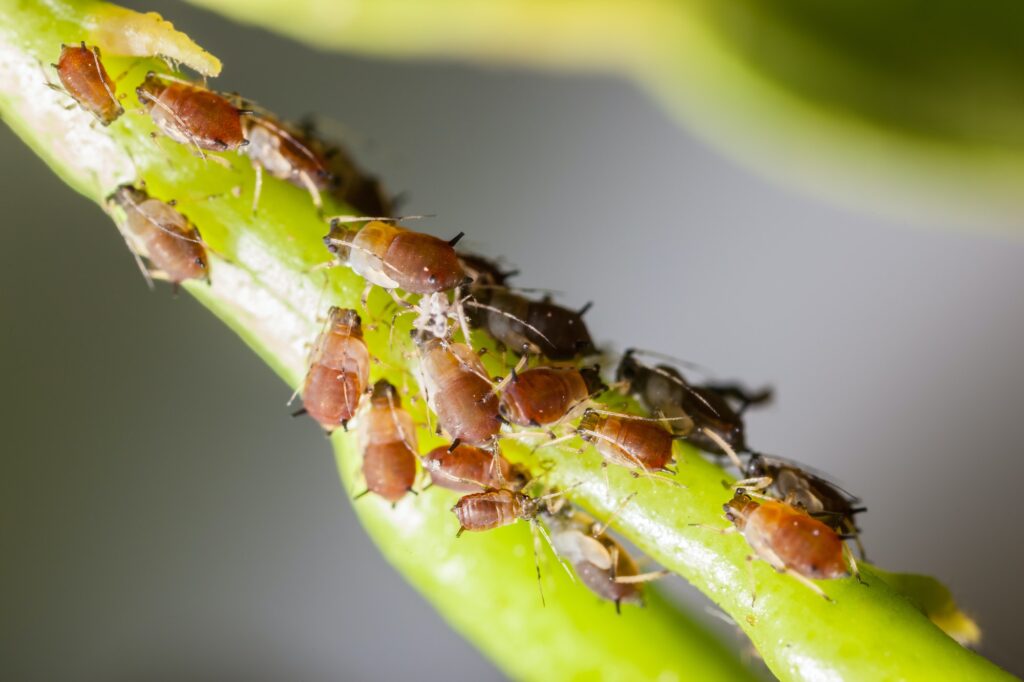
Not only does coconut coir act as a deterrent for pests, but it also helps increase the yield of your plants. This is because coconut coir has high water retention capabilities, providing a consistent moisture level for your plants’ roots. By maintaining optimal moisture levels, you can ensure that your plants are healthy and less susceptible to diseases caused by over or under-watering. Additionally, coconut coir supports strong root growth due to its excellent drainage properties. This enables better nutrient absorption and overall plant health, further preventing diseases from taking hold.
Incorporating coconut coir into your gardening routine not only provides disease prevention benefits but also enhances the overall health and productivity of your plants. With its pest-repelling qualities and ability to maintain proper moisture levels, you can enjoy higher yields while keeping diseases at bay. So why wait? Start using coconut coir today and watch your garden thrive like never before!
Time-Saving and Efficient Gardening with Coconut Coir
If you want to save time and make your gardening more efficient, using coconut coir can be a game-changer. With its excellent water retention properties, coconut coir reduces the frequency of watering, allowing you to spend less time tending to your plants. Additionally, coconut coir acts as a natural weed suppressant, minimizing the need for constant weeding and making maintenance easier overall.
Reduced Watering Frequency
You’ll be amazed at how coconut coir in your garden can significantly cut down on the amount of water you need to use. Coconut coir is a natural, organic material that has excellent water retention properties. When used as a soil amendment or mulch, it helps retain moisture in the soil for longer periods of time, reducing the need for frequent watering. This is especially beneficial in areas with limited water supply or during dry spells when water conservation is crucial.
Here are four reasons why coconut coir can help reduce your watering frequency:
- Excellent Water Retention: Coconut coir has the ability to hold up to 10 times its weight in water, acting like a sponge in your garden beds. It slowly releases moisture back into the soil as plants need it, ensuring they stay hydrated for longer periods.
- Reduced Evaporation: By forming a protective layer on top of the soil, coconut coir acts as a barrier against evaporation. This means less water is lost to the atmosphere, allowing your plants to make better use of the available moisture.
- Enhanced Root Growth: The fibrous structure of coconut coir promotes healthy root development by providing an ideal balance of air and water. As roots grow deeper and stronger, they become more efficient at absorbing and utilizing moisture from the surrounding soil.
- Eco-Friendly Gardening: Using coconut coir as a substitute for traditional peat moss not only reduces peat extraction from fragile ecosystems but also helps minimize overall water usage. By choosing this sustainable option, you’re contributing to a greener and more environmentally friendly gardening practice.
Incorporating coconut coir into your gardening routine not only saves you time and effort but also benefits our planet by reducing water usage and promoting eco-friendly practices. Give it a try and witness firsthand how this natural material can revolutionize your gardening experience while serving both yourself and Mother Earth!
Weed Suppression
Experience the convenience of weed suppression in your garden with the help of coconut coir, a natural material that can transform your gardening experience. When it comes to maintaining a beautiful garden, controlling weeds is often a time-consuming and frustrating task. However, by incorporating coconut coir into your gardening routine, you can significantly reduce the effort required for weed control.
Coconut coir acts as an effective barrier against weeds by preventing their growth and spread. Its dense structure effectively blocks sunlight from reaching weed seeds, depriving them of the necessary conditions for germination. This means that fewer weeds will sprout in your garden beds, minimizing the need for constant weeding and freeing up your time for other enjoyable gardening activities.
Furthermore, using coconut coir for weed suppression aligns perfectly with organic gardening practices. Unlike synthetic mulches or chemical herbicides, coconut coir is completely natural and free from harmful chemicals or toxins. It provides a safe and eco-friendly solution to keeping weeds at bay while promoting healthy plant growth.
Incorporating coconut coir into your gardening routine not only saves you time and effort but also ensures that you are tending to your garden in an environmentally friendly manner. By suppressing weed growth naturally and organically, you can create a beautiful and thriving garden space without compromising on sustainability. So why not give coconut coir a try today? Experience the convenience of weed suppression while contributing to the overall health of your garden!
Easier Maintenance
Maintaining your garden becomes much easier with the incorporation of coconut coir for weed suppression, allowing you to spend more time enjoying the beauty and tranquility of your outdoor space. Coconut coir acts as a natural barrier against weeds, reducing their growth and minimizing the need for constant weeding. This means less time spent on back-breaking work and more time dedicated to other gardening tasks or simply relaxing in your garden oasis.
In addition to weed suppression, coconut coir also offers other benefits that contribute to easier maintenance and time-saving gardening. One advantage is its ability to retain moisture, providing a consistent water supply to your plants. This means less frequent watering and reduced risk of dehydration for your beloved greenery. Furthermore, coconut coir has excellent drainage properties, preventing waterlogging and root rot. It helps maintain a well-aerated soil structure, ensuring optimal plant health without the hassle of constantly monitoring soil moisture levels.
To better understand how coconut coir contributes to easier maintenance in gardening, take a look at this table:
| Benefit | Explanation |
|---|---|
| Weed Suppression | Coconut coir acts as a natural barrier against weeds, reducing their growth and minimizing the need for constant weeding. |
| Moisture Retention | Coconut coir retains moisture effectively, providing a consistent water supply to plants and reducing the frequency of watering. |
| Drainage Improvement | It has excellent drainage properties that prevent waterlogging and root rot while maintaining proper soil structure. |
| Time Saving | With reduced weeding needs and less frequent watering requirements, coconut coir allows you to save valuable time in maintaining your garden. |
By incorporating coconut coir into your gardening routine, you can enjoy an easier maintenance experience that saves both time and effort. This versatile material not only suppresses weed growth but also aids in moisture retention and drainage improvement – essential elements for maintaining healthy plants without excessive labor or worry. Embrace the convenience of coconut coir and let it help you create a flourishing garden that offers both a visual delight and the satisfaction of time-saving gardening.
Promoting Sustainability in Gardening with Coconut Coir
If you want to promote sustainability in your gardening practices, using coconut coir is a great way to start. By recycling and reducing waste, you can make use of a byproduct that would otherwise end up in landfills. Additionally, supporting the coconut industry helps create demand for coconuts and encourages sustainable farming practices. Lastly, using coconut coir contributes to sustainable agriculture practices as it is a renewable resource that improves soil structure and water retention, leading to healthier plants and reduced need for chemical fertilizers.
Recycling and Reducing Waste
To minimize waste and promote sustainability in your gardening practices, consider incorporating coconut coir as a reusable alternative to peat moss. Coconut coir is a natural fiber derived from the husk of coconuts. It is an excellent medium for reusing because it can be used multiple times before it breaks down completely. After using coconut coir in your garden, you can simply rinse it with water to remove any dirt or debris, and then let it dry before reusing it again. This not only saves money but also reduces waste by eliminating the need to constantly purchase new growing mediums.
In addition to reusing coconut coir, you can also compost it to further reduce waste in your garden. Coconut coir is fully biodegradable and makes an excellent addition to your compost pile. Simply shred the used coconut coir into smaller pieces and mix it with other organic materials such as kitchen scraps, leaves, and grass clippings. Over time, the coconut coir will break down and contribute valuable nutrients to your compost, which can then be used as a nutrient-rich soil amendment for your plants. By composting with coconut coir, you not only divert waste from landfills but also create a sustainable source of nutrient-rich soil for future gardening endeavors.
Overall, by reusing and composting with coconut coir, you can significantly reduce waste in your gardening practices while promoting sustainability. Incorporating this reusable alternative into your routine not only benefits the environment but also allows you to serve others by creating healthier gardens that thrive on nutrient-rich soil amendments. So why not give coconut coir a try? Your plants will thank you!
Supporting the Coconut Industry
Supporting the coconut industry can have a positive impact on both local economies and global sustainability efforts. Coconut coir production, which is derived from the husk of the coconut, plays a significant role in the industry. The process involves extracting fibers from the husk and processing them into a versatile material that can be used for various purposes, including gardening. By using coconut coir in your garden, you not only contribute to sustainable practices but also support the livelihoods of farmers and workers involved in its production.
The economic impact of coconut coir production cannot be overstated. Many countries heavily rely on the coconut industry as a source of income and employment opportunities. By purchasing products made from coconut coir, such as coco peat or coco chips, you directly support these communities and help create a sustainable economy. Additionally, investing in coconut coir helps reduce waste by utilizing what would otherwise be discarded as agricultural by-products. This not only benefits local economies but also contributes to global sustainability efforts by promoting eco-friendly practices.
Incorporating coconut coir in your gardening routine is not just about reaping its practical benefits; it is about making a conscious choice to support an industry that has far-reaching effects on both local communities and the environment. So next time you’re tending to your plants, consider using coconut coir as a way to make a positive impact while enjoying all the advantages it brings to your garden.
Contributing to Sustainable Agriculture Practices
Transform your garden into an eco-friendly oasis by incorporating sustainable practices in your agricultural routine. One way to achieve this is by using coconut coir, a versatile and environmentally friendly gardening material. Coconut coir is made from the fibrous husk of coconuts and is a natural alternative to traditional peat moss. By using coconut coir instead of peat moss, you are contributing to sustainable farming and eco-friendly gardening.
Coconut coir has several benefits that make it an excellent choice for sustainable agriculture practices. Firstly, it is a renewable resource as it comes from coconut trees, which can continuously produce coconuts year after year. This means that using coconut coir does not deplete finite resources like peat moss does. Additionally, coconut coir is biodegradable and breaks down slowly over time, enriching the soil with organic matter. This makes it an ideal addition to compost piles or as a mulch for your plants.
Furthermore, coconut coir has excellent water retention properties, allowing it to retain moisture while still providing adequate drainage for your plants’ roots. This reduces water waste and helps conserve water in your garden. Coconut coir also has natural anti-fungal properties, preventing the growth of harmful pathogens in the soil and reducing the need for chemical pesticides.
Incorporating coconut coir into your gardening routine not only promotes sustainable farming but also creates a healthier environment for your plants. Its ability to improve soil structure and provide essential nutrients makes it an invaluable tool for eco-friendly gardening enthusiasts. So why not make the switch today and enjoy all the benefits that come with using coconut coir in your garden?
Conclusion
In conclusion, incorporating coconut coir in your gardening practices can bring numerous benefits to your plants and the environment. By using coconut coir as a soil amendment, you can improve water retention, provide better aeration for roots, and enhance nutrient availability for your plants. This natural and sustainable material also helps reduce waste by repurposing coconut husks that would otherwise end up in landfills.
To make the most out of coconut coir in your garden, remember to rehydrate it properly before use and blend it with other organic materials like compost or peat moss. This will ensure optimal moisture levels and create a well-draining soil mix that promotes healthy root development. Additionally, consider using coconut coir as mulch around your plants to conserve moisture, suppress weeds, and regulate soil temperature.
By incorporating coconut coir into your gardening routine, you can save time and effort due to its excellent water-holding capacity. No longer will you need to worry about frequent watering or overwatering your plants – coconut coir helps maintain an ideal balance of moisture for healthier growth. Moreover, its lightweight nature makes it easy to handle when amending soil or filling containers.
Not only does using coconut coir benefit you as a gardener but also the environment. By choosing this sustainable alternative to traditional gardening materials like peat moss or synthetic fertilizers, you are contributing towards reducing carbon emissions and protecting valuable ecosystems like peatlands. So next time you’re tending to your garden, consider giving coconut coir a try – it’s practical, eco-friendly, and beneficial for both you and Mother Nature!