

Do you ever wonder how you can make a positive impact on the environment?
Some of the links in this article may be affiliate links. If you make a purchase through these links, we may earn a small commission at no extra cost to you. Thank you.
One way to do so is through gardening. Gardening not only brings beauty and tranquility to your surroundings, but it also plays a vital role in mitigating climate change. By actively engaging in gardening practices, such as planting trees and growing plants, you can help sequester carbon dioxide from the atmosphere, reducing its contribution to global warming.
Beyond carbon sequestration, gardening also promotes the conservation of biodiversity.
It does this by creating habitats for wildlife within your garden providing food and shelter for various species, helping to maintain ecological balance. By choosing native plant species that attract pollinators like bees and butterflies, you can contribute to the preservation of these essential creatures that play a crucial role in our ecosystem.
In addition to conserving biodiversity, gardening improves air and water quality. Plants act as natural filters by absorbing pollutants from the air and trapping them in their leaves and roots. Through a process called phytoremediation, certain plants have the ability to remove harmful toxins from soil and water sources. By incorporating these plants into your garden or even growing them in containers indoors, you can help purify the air around you and contribute to cleaner water systems.
To minimize environmental impact further, adopting sustainable gardening practices is key. This includes composting organic waste instead of sending it to landfills, using natural pest control methods instead of harsh chemicals, conserving water through efficient irrigation systems or rainwater harvesting techniques, and practicing proper soil management techniques that improve soil health without depleting its nutrients.
Lastly, community gardens and urban green spaces are becoming increasingly popular as ways to enhance the environment in cities. These shared spaces not only provide opportunities for people who may not have access to land for gardening but also foster a sense of community engagement while improving local ecosystems.
By embracing gardening as a solution-oriented approach to serving others and the environment alike, we can collectively make a significant impact on the planet’s well-being. So, grab your gardening tools and get ready to make a positive change while enjoying the many benefits that gardening has to offer.
Key Takeaways
- Gardening helps mitigate climate change by sequestering carbon dioxide and reducing the contribution of carbon dioxide to global warming.
- Gardening promotes biodiversity conservation by attracting pollinators and creating diverse habitats.
- Gardening improves air and water quality through natural filtration and phytoremediation.
- Sustainable gardening practices minimize environmental impact by composting organic waste, using natural pest control methods, conserving water, and practicing proper soil management.
Carbon Sequestration: The Role of Plants in Mitigating Climate Change
Did you know that plants play a crucial role in fighting climate change by sequestering carbon dioxide from the atmosphere? It’s true! Through a process called carbon sequestration, plants absorb carbon dioxide during photosynthesis and store it in their leaves, stems, and roots. This process helps to mitigate climate change by reducing the amount of greenhouse gases in the atmosphere. By incorporating more plants into our gardens and landscapes, we can actively contribute to this important environmental solution.

Carbon sequestration is vital for mitigating climate change because it helps to offset the emissions of carbon dioxide, one of the main contributors to global warming. As plants grow, they take up carbon dioxide from the air and convert it into organic matter through photosynthesis. This organic matter is then stored in plant tissues or released into the soil where it can be further absorbed by microorganisms. By increasing vegetation cover through gardening practices such as planting trees, shrubs, and flowers, we can enhance carbon sequestration and reduce atmospheric CO2 levels.
In addition to directly capturing carbon dioxide from the air, gardening also has indirect benefits for climate change mitigation. Well-maintained gardens with healthy plants help improve soil quality and increase its capacity to store carbon. Furthermore, green spaces provide shade and cooling effects which reduce energy consumption for cooling buildings during hot summer months. By embracing gardening as a way to support carbon sequestration efforts, we not only beautify our surroundings but also actively contribute to a healthier environment for ourselves and future generations.
So why not start incorporating more plants into your garden today? Whether you have a small balcony or an expansive backyard, every little bit counts when it comes to combating climate change through gardening. By understanding the role of plants in carbon sequestration and their importance for climate change mitigation, you can make informed choices about what species to plant and how best to care for them. Together, let’s harness the power of nature through gardening and make a positive impact on the environment.
Conservation of Biodiversity: Creating Habitats for Wildlife in Gardens
By creating diverse habitats in our gardens, we can foster the flourishing of wildlife species and promote the conservation of biodiversity. It is crucial to understand that wildlife conservation goes beyond just protecting endangered species; it involves creating suitable environments for various organisms to thrive. Here are three ways in which you can contribute to wildlife conservation through your garden:
Plant a variety of native plants: Native plants provide food and shelter for local wildlife, as they have evolved alongside these species over time. By planting a diverse range of native flowers, shrubs, and trees in your garden, you can attract different insects, birds, and mammals that rely on these plants for survival. This not only enhances the beauty of your garden but also supports the ecological balance by providing essential resources for native wildlife.
Incorporate water features: Adding a small pond or bird bath to your garden can greatly benefit wildlife. Water sources are essential for many animals, especially during dry periods when natural water bodies may be scarce. By creating an accessible water feature in your garden, you provide a vital resource for thirsty animals and attract a wide range of bird species that rely on water sources for bathing and drinking.
Create sheltered areas: Wildlife requires suitable shelters to rest, hide from predators, and raise their young. You can create sheltered areas by including dense vegetation like hedges or planting trees with branching structures that offer cover from the elements. Additionally, leaving some leaf litter or fallen logs undisturbed provides hiding places for insects and small mammals.
By implementing these practices in your garden design, you actively contribute to wildlife conservation efforts while enjoying the benefits of increased biodiversity around you. Remember that every little effort counts towards protecting our precious ecosystems and ensuring a sustainable future for all living beings.
Improvement of Air and Water Quality: The Environmental Benefits of Gardening
Enhancing the quality of our air and water is a direct result of incorporating sustainable practices into our gardens. By implementing these practices, we can improve soil health and promote thriving pollinator populations, both of which have significant environmental benefits.
One way gardening helps improve air quality is by reducing the amount of pollution in the atmosphere. Plants absorb carbon dioxide during photosynthesis, converting it into oxygen. By planting trees, shrubs, and flowers in our gardens, we can increase the amount of oxygen produced and decrease the levels of carbon dioxide in the air. This process helps mitigate climate change and create a healthier environment for all living organisms.
Additionally, gardening can improve water quality by preventing soil erosion and promoting filtration. When heavy rain falls on bare soil, it washes away valuable topsoil along with any pollutants present on its surface. However, when gardens are well-maintained with proper ground cover such as grass or mulch, it reduces runoff and allows water to slowly infiltrate into the soil. As it percolates through layers of earth, contaminants are filtered out naturally before reaching groundwater sources.
Furthermore, sustainable gardening practices that focus on promoting pollinator populations contribute to a healthier ecosystem overall. Bees, butterflies, birds, and other pollinators play a crucial role in plant reproduction by transferring pollen from one flower to another. As they visit various plants in our gardens for nectar and pollen sources, they inadvertently facilitate cross-pollination between different species. This process leads to genetic diversity among plants which strengthens their resilience against diseases and pests.
Incorporating sustainable practices into gardening not only beautifies our surroundings but also has numerous environmental benefits. These include improving air quality through increased oxygen production and reduced carbon dioxide levels; enhancing water quality by preventing soil erosion; and promoting pollinator populations for healthy ecosystem functioning. By taking conscious steps towards creating environmentally-friendly gardens, we contribute towards a brighter future where nature thrives alongside human beings.
Sustainable Gardening Practices: How to Minimize Environmental Impact
To minimize your environmental impact, you can adopt sustainable gardening practices that focus on conserving resources and promoting biodiversity. One important aspect of sustainable gardening is utilizing composting techniques. By composting organic waste such as fruit and vegetable scraps or yard trimmings, you can create nutrient-rich soil amendments for your garden. Composting not only reduces the amount of waste sent to landfills but also decreases the need for synthetic fertilizers, which can be harmful to the environment.
Another key practice in sustainable gardening is implementing organic pest control methods. Instead of relying on chemical pesticides, which can have detrimental effects on beneficial insects and contaminate water sources, consider using natural alternatives. For instance, you can introduce beneficial insects like ladybugs or lacewings into your garden to prey on pests. Additionally, companion planting—where certain plants are grown together to deter pests—is an effective strategy in organic pest management.
By adopting these sustainable gardening practices, not only are you minimizing your environmental impact but also contributing positively to biodiversity conservation efforts. Conserving resources through composting reduces waste production and promotes healthier soils for plant growth. Implementing organic pest control methods ensures a balanced ecosystem where beneficial insects thrive while pests are kept in check naturally. By making conscious choices in your gardening practices, you become an active participant in serving both nature and future generations by fostering a healthier environment for all living beings involved.
Community Gardens and Urban Green Spaces: Enhancing the Environment in Cities
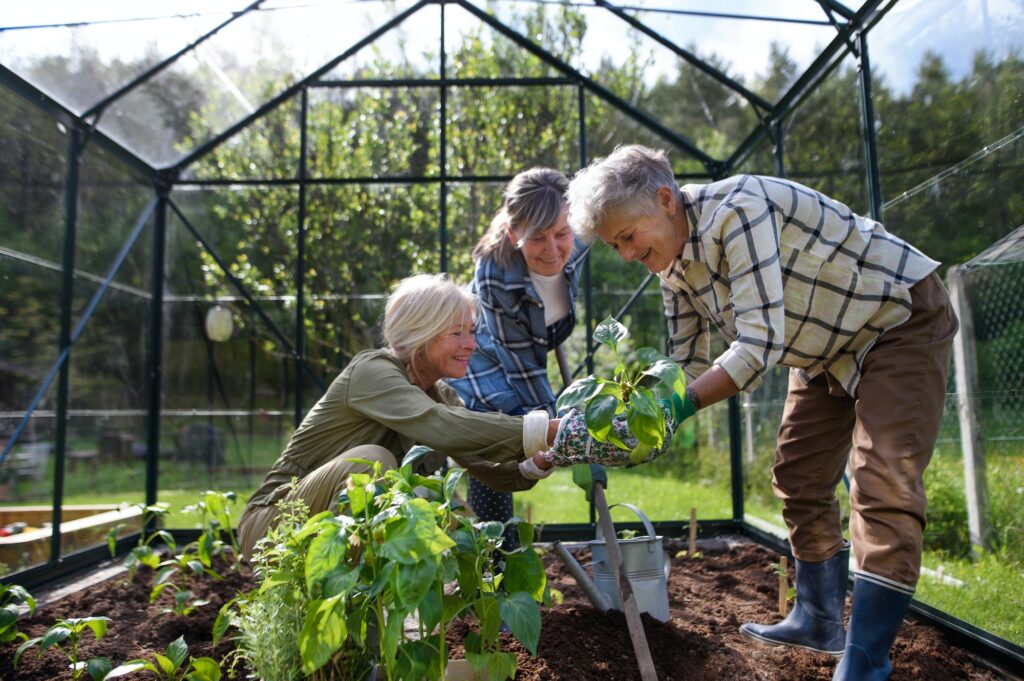
Community gardens play a crucial role in ensuring food security and promoting social cohesion in urban areas. By providing accessible spaces for residents to grow their own food, community gardens help address issues of food scarcity and inequality. Moreover, these green spaces contribute to improving air quality and reducing the heat island effect in cities, creating a healthier and more sustainable environment for urban dwellers.
The Role of Community Gardens in Food Security and Social Cohesion
Did you know that community gardens play a crucial role in ensuring food security and fostering social cohesion? These gardens are not just about growing fruits and vegetables; they provide access to fresh, healthy produce for individuals who may not have easy access to supermarkets or grocery stores. In urban areas where food deserts exist, community gardens become an essential source of nutritious food. By cultivating their own crops, community members gain control over their food supply and can ensure that it is free from harmful pesticides or chemicals.
In addition to improving food access, community gardens also promote social integration by bringing people together from diverse backgrounds. These spaces serve as a meeting point where individuals come together to share knowledge, skills, and resources related to gardening. As people work side by side in the garden beds, they develop connections and build relationships with one another. This sense of belonging strengthens social cohesion within the community, creating a supportive network that extends beyond the garden gates.
Overall, community gardens contribute significantly to addressing issues of food security and promoting social cohesion in urban areas. They empower individuals to take control of their own food supply while fostering connections between neighbors. By supporting these community initiatives, we can create healthier and more inclusive environments where everyone has access to fresh and nutritious produce while building stronger communities along the way.
Urban Green Spaces’ Impact on Air Quality and Heat Island Effect Reduction
Urban green spaces, such as parks and trees, have a remarkable ability to improve air quality and mitigate the heat island effect in cities. These green areas act as natural filters, absorbing pollutants from the air and releasing clean oxygen. Trees in particular play a crucial role in this process by capturing airborne particulates and reducing levels of nitrogen dioxide, ozone, and sulfur dioxide. Their leaves also trap dust particles, which helps to improve overall air quality. Moreover, urban green spaces help to combat the heat island effect by providing shade and cooling the surrounding environment through evapotranspiration. This is especially important in densely populated areas where concrete and asphalt absorb and retain heat, contributing to higher temperatures.
To better understand the impact of urban green spaces on air quality and temperature regulation, let’s take a closer look at their specific benefits:
| Benefit | Explanation | Impact |
|---|---|---|
| Air Pollution Reduction | Trees remove pollutants like nitrogen dioxide (NO2), ozone (O3), and sulfur dioxide (SO2) from the air through their leaves. They act as natural filters that trap harmful particles. | Improved respiratory health for city dwellers due to reduced exposure to toxic pollutants. |
| Heat Island Mitigation | Green spaces provide shade that reduces surface temperatures of roads, buildings, and other infrastructure materials. Evapotranspiration from trees cools the environment further. | Lowered energy consumption for cooling buildings due to reduced ambient temperatures; increased comfort for pedestrians through shaded areas during hot weather. |
| Urban Cooling Effect | Through shading effects and evapotranspiration processes like sweating in humans or perspiration in plants’ leaves – urban green spaces lower local temperatures within cities. | Reduced risk of heat-related illnesses; decreased demand for electricity used for cooling purposes; enhanced livability in urban environments. |
By incorporating more urban green spaces into our cities, we can effectively address both air pollution concerns and the adverse effects of urban heat islands. This solution-oriented approach not only helps to improve the environment but also enhances the well-being of urban communities. As individuals, we can contribute by supporting initiatives that promote the establishment and maintenance of green areas, such as community gardens and tree planting programs. Together, we can create healthier and more sustainable cities for everyone to enjoy.
Conclusion
In conclusion, gardening is not just a hobby or a way to beautify your surroundings. It has significant environmental benefits that can help mitigate climate change, conserve biodiversity, improve air and water quality, and minimize our impact on the environment. By actively participating in sustainable gardening practices, you can contribute to carbon sequestration and reduce greenhouse gas emissions.
One of the key ways gardening helps the environment is through carbon sequestration. As plants grow, they absorb carbon dioxide from the atmosphere through photosynthesis and store it in their tissues. This process helps to offset the excess carbon dioxide produced by human activities such as burning fossil fuels. By planting more trees, shrubs, and other vegetation in gardens, we can increase carbon sequestration rates and help combat climate change.
Gardens also play an important role in conserving biodiversity by providing habitats for wildlife. By creating diverse landscapes with different types of plants and flowers, you can attract a wide range of insects, birds, butterflies, and other animals. These creatures are essential for pollination and seed dispersal, which are crucial processes for maintaining healthy ecosystems. By incorporating native plants into your garden design, you can further support local biodiversity and create a thriving ecosystem right outside your doorstep.
Improving air and water quality is another significant benefit of gardening. Plants release oxygen during photosynthesis while absorbing pollutants such as nitrogen dioxide and particulate matter from the air. This helps to purify the air around us and reduce respiratory health issues caused by pollution. Additionally, when rainwater falls on gardens instead of paved surfaces like roads or rooftops, it gets naturally filtered through soil before entering groundwater sources or rivers. This filtration process removes harmful substances like pesticides or fertilizers from the water before it reaches natural bodies of water.
To maximize these environmental benefits while minimizing negative impacts on the environment itself requires practicing sustainable gardening techniques. This includes using organic fertilizers instead of synthetic ones to avoid harmful chemical runoff, conserving water by using efficient irrigation systems and collecting rainwater, and avoiding the use of pesticides that can harm beneficial insects and wildlife. By adopting these practices, you can create a garden that is not only beautiful but also environmentally friendly.
In addition to individual gardens, community gardens and urban green spaces have a significant role in enhancing the environment in cities. They provide opportunities for people to engage with nature, grow their own food, and foster a sense of community. These communal spaces also help to combat heat islands in urban areas by providing shade and reducing ambient temperatures. Moreover, they contribute to the overall aesthetic appeal of neighborhoods and improve mental well-being.
In conclusion, gardening offers numerous environmental benefits that go beyond aesthetics. It has the potential to mitigate climate change through carbon sequestration, conserve biodiversity by providing habitats for wildlife, improve air and water quality through natural filtration processes, and minimize our impact on the environment through sustainable practices. So grab your gardening tools and start making a positive difference for both your immediate surroundings and the planet as a whole!