Greetings, fellow plant enthusiasts! Today, let’s talk about a menacing plant disease that goes by the name of Verticillium wilt. Sounds pretty spooky, right? Well, unfortunately, this wide-ranging plant pathogen can be quite scary for any avid gardener or farmer.
Some of the links in this article may be affiliate links. If you make a purchase through these links, we may earn a small commission at no extra cost to you. Thank you.
Verticillium wilt is caused by soil-borne fungi that target over 300 different types of plants, ranging from trees to vegetables. That’s right folks, 300! Some of the most common victims include tomatoes, potatoes, strawberries, cucumbers, eggplants, and raspberries. This nasty disease can cause stunted growth, yellowing leaves, and even death in severe cases.
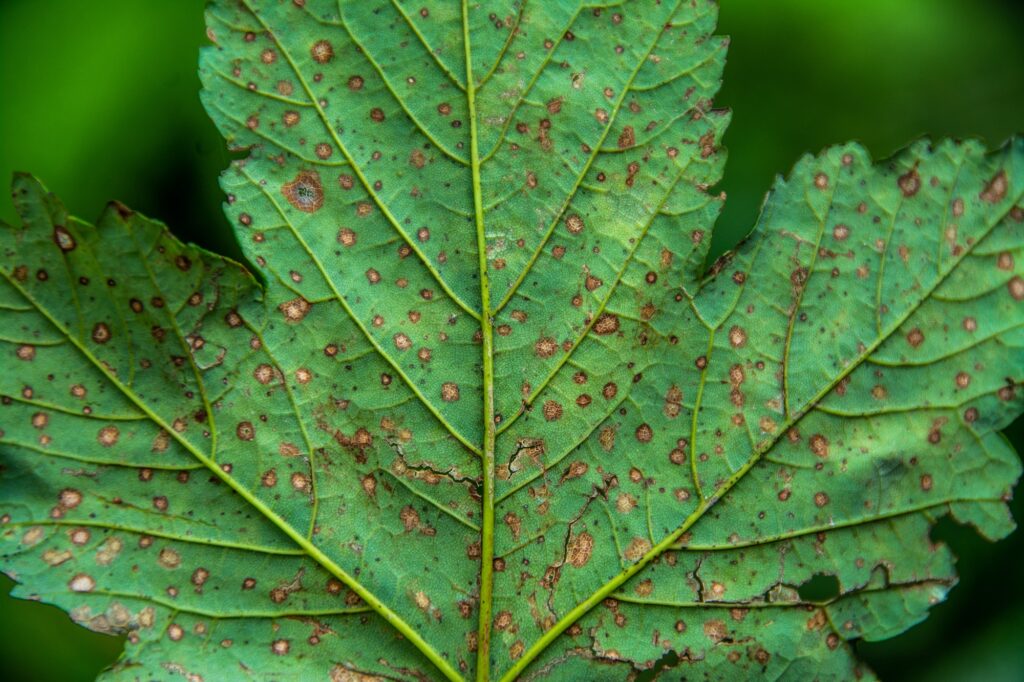
So, how does this fungal disease spread? Unfortunately, it’s a sneaky one. The pathogens find their way into the soil through infected plants, seeds, or even wind-blown debris. Once in the soil, they can survive for years, waiting for their next victim to come along. They then invade a plant’s vascular system, which is responsible for carrying crucial nutrients and water throughout the plant. This invasion can lead to a blockage of the vascular system, causing the typical symptoms of Verticillium wilt.
But wait, there’s more! To make matters worse, Verticillium wilt is a tricky disease to diagnose. The symptoms are similar to other plant diseases, making it hard to pinpoint the exact culprit. The best way to diagnose the disease is through a laboratory test of the affected plant tissue. This test involves growing the fungi in a lab and analyzing its DNA to identify the species.
Now, the big question: how can we protect our plants from this menacing disease? Prevention is key! Start by using clean potting soil, avoiding overhead irrigation, and rotating crops. Look for disease-resistant varieties of plants when possible and keep a close eye on your plants for any signs of distress. If you suspect Verticillium wilt, remove and destroy infected plants immediately, and avoid planting susceptible plants in the same spot for at least three years.
In summation, Verticillium wilt is one sneaky disease that can wreak havoc on a wide variety of plants. It’s essential to stay vigilant and take preventative measures to protect our precious greenery. With a little extra care and attention, we can keep our gardens and farms thriving, and gorgeous for years to come. Keep your eyes peeled, fellow green thumbs!